Electronic Tagging System Inadequate for Early Release Prisoners, Inspector Warns
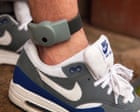
The electronic tagging system intended to monitor thousands of prisoners released early from jail is failing to detect potential breaches of their conditions, according to a critical report. Martin Jones, HM Inspector of Probation for England and Wales, stated that the current setup is "clunky" and requires significant upgrades. The system relies on already overburdened police and probation officers to manually review individual cases and determine if potential violations warrant further investigation. This manual process is insufficient to effectively manage the large number of offenders being released early. The inspector emphasized the urgent need for both technological improvements and a substantial increase in staffing to ensure the system can adequately monitor these individuals and maintain public safety. Without these changes, the effectiveness of early release programs and the associated monitoring will be severely compromised.
The warning from HM Inspector of Probation highlights a critical vulnerability in the correctional system's capacity to manage early prisoner releases. The reliance on a "clunky" and manually intensive electronic tagging system, coupled with understaffed monitoring bodies, presents a significant governance challenge. This situation raises questions about the adequacy of resource allocation for post-release supervision, particularly as early release programs are expanded. The system's failure to automatically flag potential breaches indicates a potential gap between policy objectives and operational reality, risking public safety and undermining the rehabilitative goals of early release. Moving forward, a strategic investment in integrated, automated monitoring technology and sufficient human resources is essential to ensure compliance and reduce recidivism in the context of evolving criminal justice policies.
AI-generated to prompt reflection — not editorial opinion, not advice, not a statement of fact. How this works.
