Elephants in captivity can relearn wild behaviors, study finds
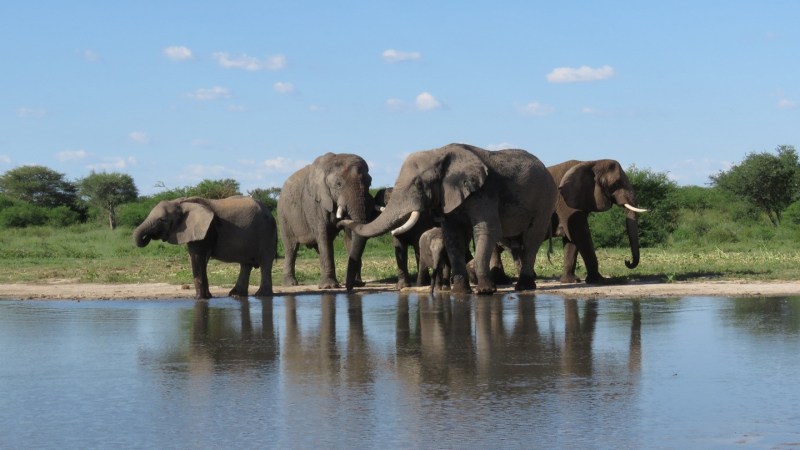
A recent study has revealed that elephants previously held in captivity can successfully relearn behaviors essential for survival in the wild. Researchers observed 11 elephants that had undergone rehabilitation programs. They documented significant similarities in the behaviors of these rehabilitated elephants compared to their wild counterparts. This suggests that the capacity for wild living is not permanently lost, even after extended periods in captivity. The findings offer hope for conservation efforts and the ethical treatment of elephants in sanctuaries and rehabilitation centers. Understanding this relearning process is crucial for improving the chances of successful reintroduction into natural habitats. The study highlights the adaptability of elephants and the potential for recovery of natural instincts. Further research may explore the specific duration of captivity and the types of rehabilitation programs that best facilitate this relearning process. Ultimately, this research contributes to a better understanding of elephant welfare and conservation strategies.
This study demonstrates the remarkable plasticity of elephant behavior, indicating that even after prolonged captivity, individuals retain the capacity to reintegrate into wild social and ecological systems. The findings challenge assumptions about irreversible behavioral degradation due to confinement and suggest that well-designed rehabilitation programs can be effective tools for conservation. From a long-term perspective, understanding the mechanisms and timelines of behavioral relearning is critical for developing more robust rewilding strategies. This could influence sanctuary management and the ethical considerations surrounding the long-term care of elephants, potentially shifting focus towards environments that foster the recovery of natural behaviors, thereby enhancing the long-term viability of wild populations and reducing reliance on artificial environments.
AI-generated to prompt reflection — not editorial opinion, not advice, not a statement of fact. How this works.