Elephants Shot Dead in Protected Forests: Investigation Underway
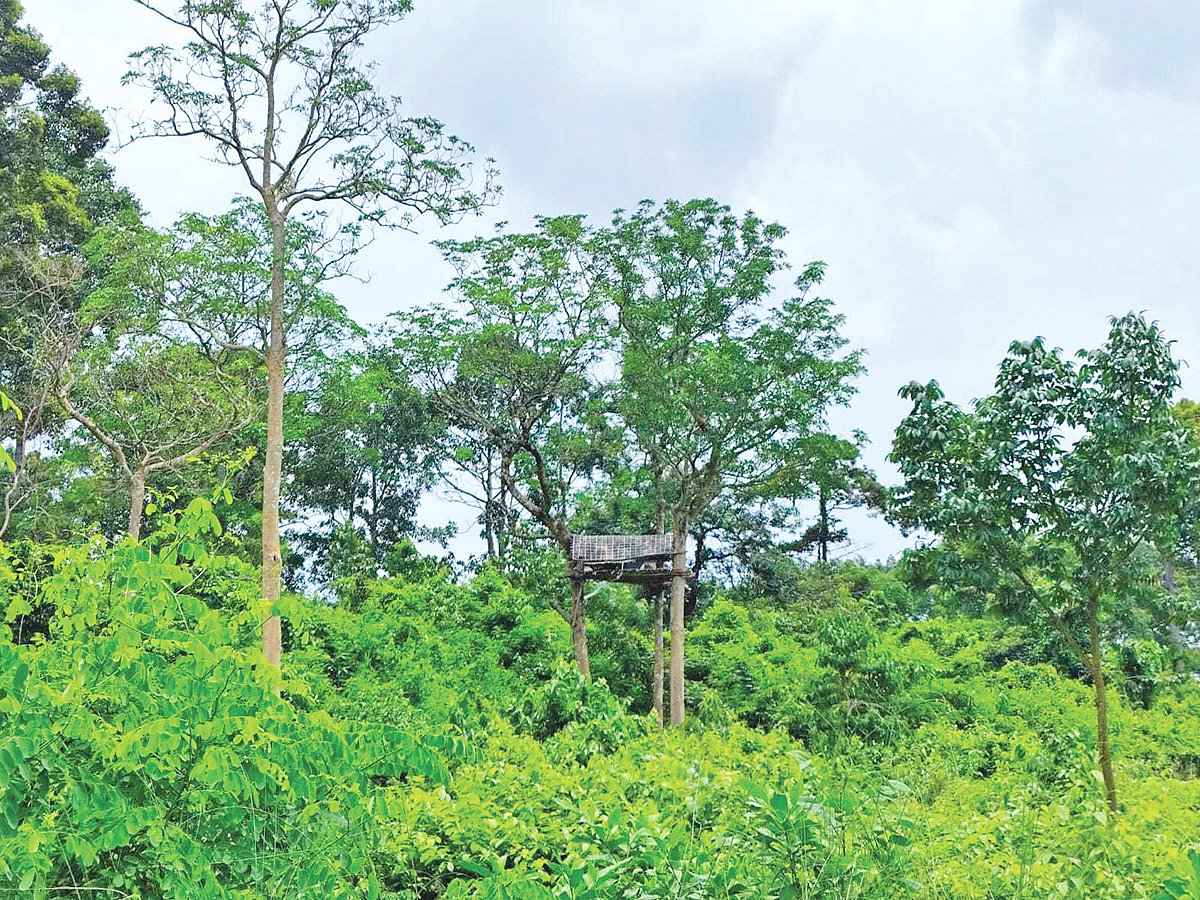
Nine elephants have been shot and killed in Cox's Bazar over the past decade, according to data from the Forest Department. The period spans from 2016 to 2025, indicating a concerning trend of human-wildlife conflict within protected forest areas. The Forest Department's statistics highlight the severity of the issue, with these deaths occurring within a designated decade-long timeframe. Investigations are likely ongoing to identify the perpetrators and understand the motives behind these killings. Such incidents raise serious questions about the effectiveness of conservation efforts and the protection of wildlife in the region. The data suggests a persistent problem that requires urgent attention and robust enforcement of wildlife protection laws. The continued loss of elephants, a keystone species, can have significant ecological repercussions. Addressing this issue is crucial for maintaining biodiversity and ensuring the long-term survival of elephant populations in Bangladesh.
The reported killings of nine elephants in Cox's Bazar between 2016 and 2025 within protected forests suggest a critical failure in wildlife protection mechanisms. This trend highlights potential conflicts arising from human encroachment or resource competition, necessitating a review of land-use policies and community engagement strategies. The data points to an ongoing challenge in enforcing conservation laws, which may require enhanced surveillance and stricter penalties for illegal activities. Understanding the systemic drivers behind these incidents, such as economic pressures or inadequate anti-poaching measures, is crucial for developing sustainable solutions. Future conservation efforts should focus on integrating local communities into protection initiatives and exploring technological advancements for monitoring wildlife and deterring illegal activities, thereby mitigating risks to both human and animal populations in the coming decade.
AI-generated to prompt reflection — not editorial opinion, not advice, not a statement of fact. How this works.