Eleven-Party Alliance Plans Two-Day Protests Marking Second Anniversary of July Uprising
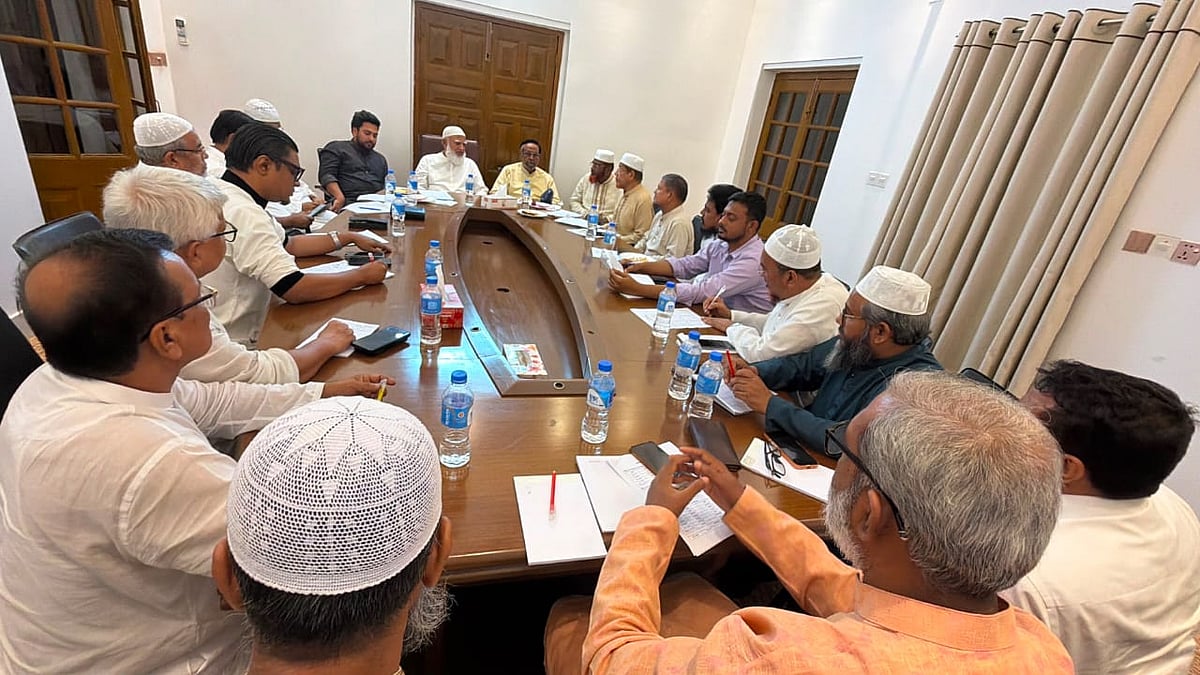
The eleven-party alliance, led by Jamaat-e-Islami, has announced a two-day program to commemorate the second anniversary of the July Uprising and to address various national crises. The first day, August 5th, will feature a large public rally at 10:30 AM in front of the Baitul Mukarram National Mosque in Dhaka, accompanied by public processions in districts and upazilas across the country. These demonstrations will demand solutions to the energy and power crises, control over commodity prices, and improvements in law and order. On August 6th, a rally will be held in Dhaka's Muktangon, followed by a march towards the Secretariat. On the same day, a sit-in protest will take place in front of gas and electricity offices nationwide. The decision on these programs was made during a meeting of top leaders of the eleven-party alliance at the opposition leader's residence on Minto Road on Monday night. The meeting was presided over by Shafiqur Rahman, the opposition leader and Amir of Bangladesh Jamaat-e-Islami. Other prominent attendees included Nahid Islam, Chief Whip of the opposition and convener of the National Citizens Party (NCP); Colonel (Retd.) Oli Ahmed, Chairman of the Liberal Democratic Party (LDP); Maulana Mamunul Haque, Amir of Bangladesh Khilafat Majlis; Masiur Rahman (Manju), Chairman of AB Party; Musa Bin Izhar, Secretary General of Bangladesh Nezame Islam Party; Mostafizur Rahman (Iran), Chairman of Bangladesh Labour Party; Anwarul Islam, Chairman of Bangladesh Development Party; and Rashed Prodhan, spokesperson for the National Democratic Party (JAGPA). The alliance also decided to hold divisional long marches to implement the July National Charter and referendum results, though specific dates are yet to be announced. These dates are expected to be revealed during the August 5th rally, which will also outline further continuous movement plans.
The eleven-party alliance's planned protests highlight persistent public concerns regarding economic stability and governance, particularly in the context of energy prices and inflation. The timing, coinciding with the anniversary of a significant past event, suggests an effort to leverage historical narratives for contemporary political mobilization. The broad coalition, encompassing various Islamist and nationalist parties, indicates a strategic attempt to consolidate opposition forces. The proposed long marches and public gatherings aim to exert pressure on the government, framing the demands as essential for national well-being. Future effectiveness will likely depend on sustained public engagement and the alliance's ability to present a unified and compelling alternative vision beyond immediate grievances, navigating the complex political landscape and evolving public sentiment over the next decade.
AI-generated to prompt reflection — not editorial opinion, not advice, not a statement of fact. How this works.
