Eli Lilly's Retatrutide Shows Significant Weight Loss in Late-Stage Trials, Seeks 2027 Approval
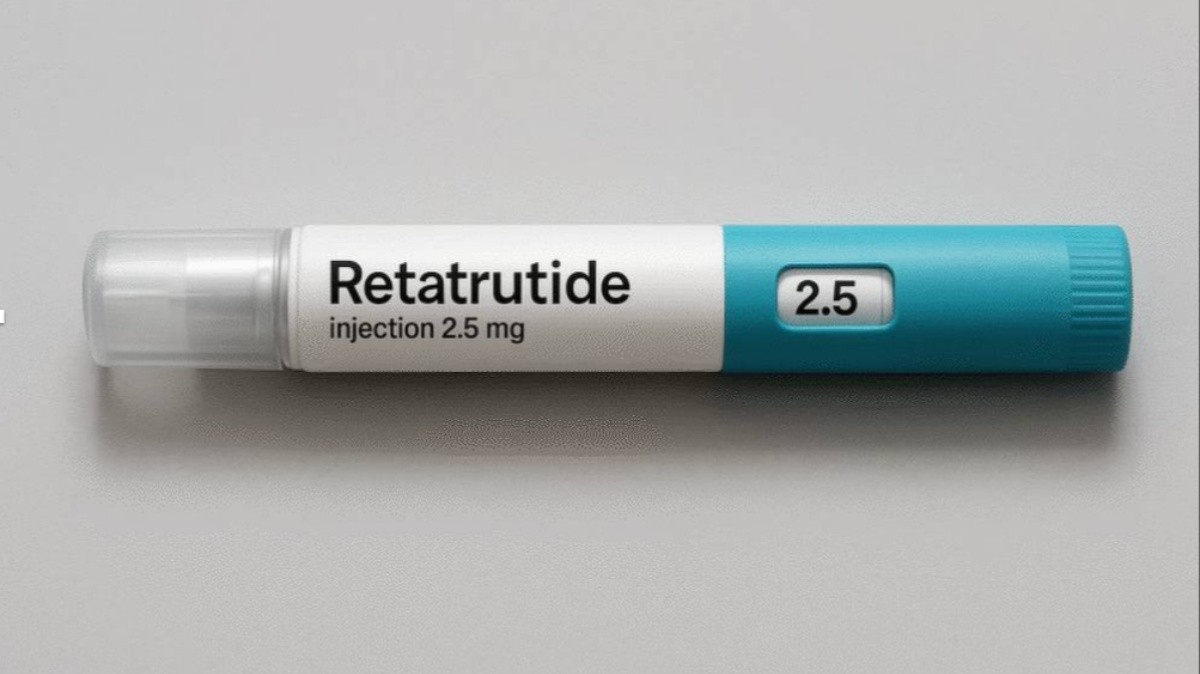
Final Phase 3 studies for Eli Lilly's experimental obesity drug, retatrutide, have demonstrated substantial weight loss in patients. In trials involving individuals with severe obesity and cardiovascular disease, participants lost up to 22.6% of their body weight over 80 weeks. Another study focused on patients with type 2 diabetes and obesity, where the highest dose of retatrutide resulted in an average weight loss of 20.8% over the same period. This drug also showed improvements in diabetes control, with a reduction of up to 1.6 percentage points in glycated hemoglobin (A1C).
Retatrutide distinguishes itself from existing medications like Ozempic and Wegovy by targeting three hormone receptors simultaneously: GLP-1, GIP, and glucagon. While GLP-1 and GIP regulate satiety and insulin, glucagon is believed to increase energy expenditure. Eli Lilly plans to submit a New Drug Application to the U.S. Food and Drug Administration (FDA) in the first quarter of 2027, with international filings to follow if approved. Despite its experimental status, unapproved retatrutide products are being illegally sold and seized at the Brazil-Paraguay border, prompting warnings from Eli Lilly and Brazil's health regulatory agency (Anvisa) about the risks of counterfeit medications.
The promising Phase 3 results for retatrutide highlight a potential advancement in metabolic disease treatment, driven by a novel triple-receptor mechanism. This multi-target approach may offer enhanced efficacy compared to existing single or dual-receptor agonists, addressing a critical unmet need for more effective weight management solutions. The significant weight loss observed, particularly in patient populations with co-morbidities like cardiovascular disease and type 2 diabetes, suggests a broad therapeutic potential. However, the company's projected 2027 FDA submission indicates a lengthy regulatory pathway, and the emergence of illegal, unapproved versions of the drug underscores the high market demand and the associated public health risks of unregulated substances. Future analysis should consider the long-term safety profile, comparative effectiveness against other advanced therapies, and the pharmaceutical industry's strategies for managing the supply chain and combating illicit markets for novel treatments.
AI-generated to prompt reflection — not editorial opinion, not advice, not a statement of fact. How this works.