Elite Athletes' Recovery Offers Lessons on Pain, Rehabilitation, and Mental Health
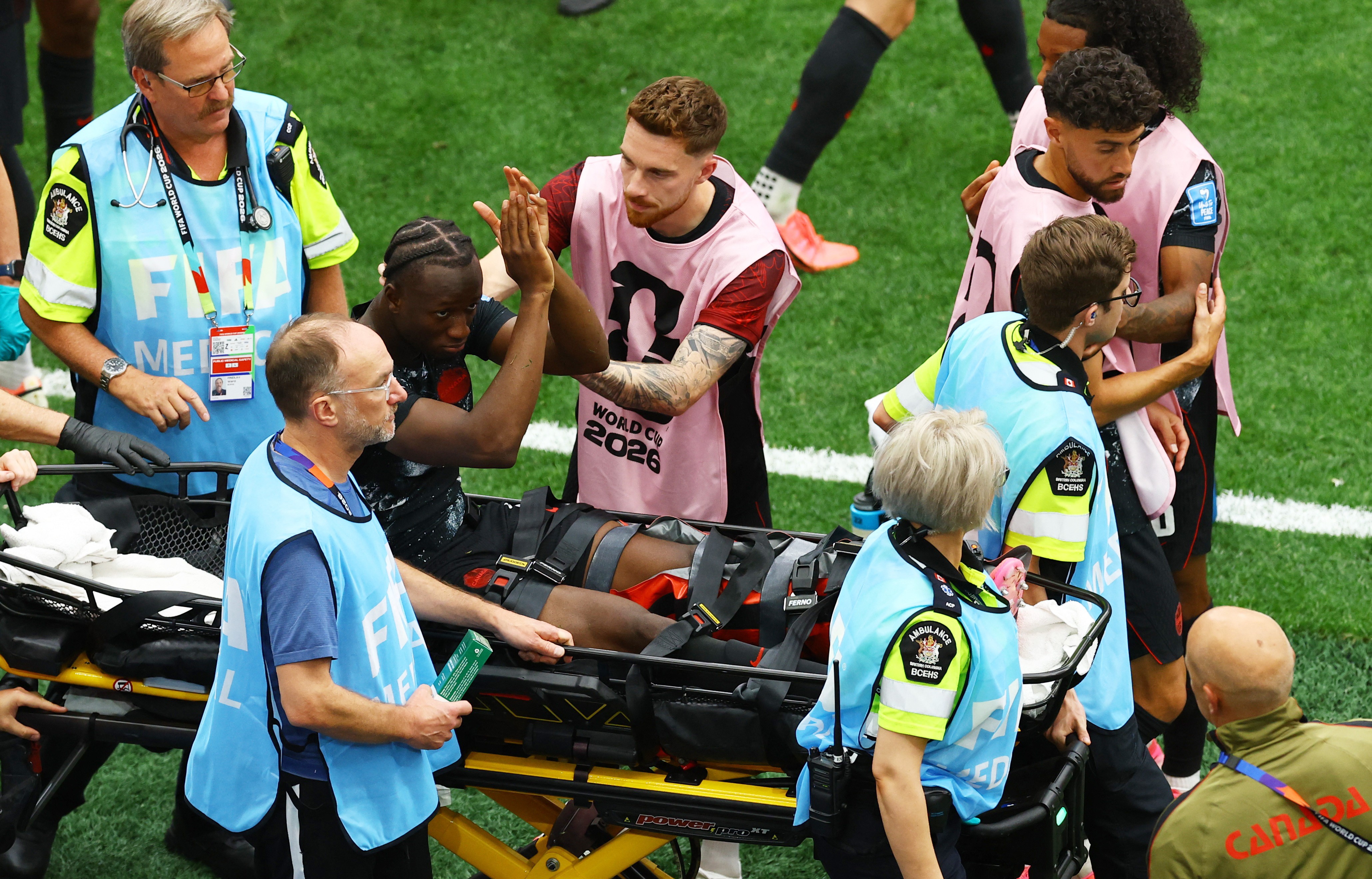
Severe injuries in elite athletes highlight that recovery extends far beyond physical healing, encompassing psychological and emotional challenges. Athletes like Ismael Kone, Canada, and former NFL player Kyle Arrington, who suffered a career-ending concussion, demonstrate that persistent pain, disruption of routine, loss of autonomy, and uncertainty about the future are integral parts of the recovery process. Sports psychologists and rehabilitation specialists emphasize that rebuilding confidence, accepting new limitations, and redefining goals are as crucial as regaining physical strength. This perspective is echoed by former collegiate runner Liv Paxton, who learned to prioritize rest and self-care after multiple injuries, and American skier Jamie MoCrazy, who found a new path as a motivational speaker after a traumatic brain injury. The experiences of these athletes underscore that recovery is not always about returning to one's previous state but often involves constructing a new version of oneself. This journey requires adapting expectations and finding new meaning, especially when physical performance is deeply intertwined with identity. The insights gained from athletes' struggles and triumphs offer valuable lessons applicable to anyone facing recovery from surgery, chronic illness, or even work-related overexertion. Ultimately, successful rehabilitation involves developing a more balanced relationship with one's body, respecting recovery timelines, and embracing new priorities and potentially a new identity, proving that recovery is a complex process of adaptation and resilience.
The experiences of elite athletes undergoing rehabilitation offer a profound lens through which to examine the human capacity for adaptation and resilience. By operating under intense public scrutiny, these individuals' journeys illuminate the intricate interplay between physical trauma, mental fortitude, and the societal pressures associated with performance. Their narratives challenge the traditional, purely biomechanical view of recovery, emphasizing the critical role of psychological adjustment, acceptance of altered capabilities, and the redefinition of personal identity and purpose. This perspective is particularly relevant in an era increasingly focused on holistic well-being and the long-term implications of physical and mental health. The lessons learned by athletes—prioritizing self-care, recognizing limits, and finding new avenues for fulfillment—provide a valuable framework for understanding how individuals across all walks of life can navigate adversity and cultivate a more integrated sense of self, moving beyond past limitations to embrace future possibilities.
AI-generated to prompt reflection — not editorial opinion, not advice, not a statement of fact. How this works.