Elon Musk Admits Over-Involvement in US Politics Amid Business Challenges
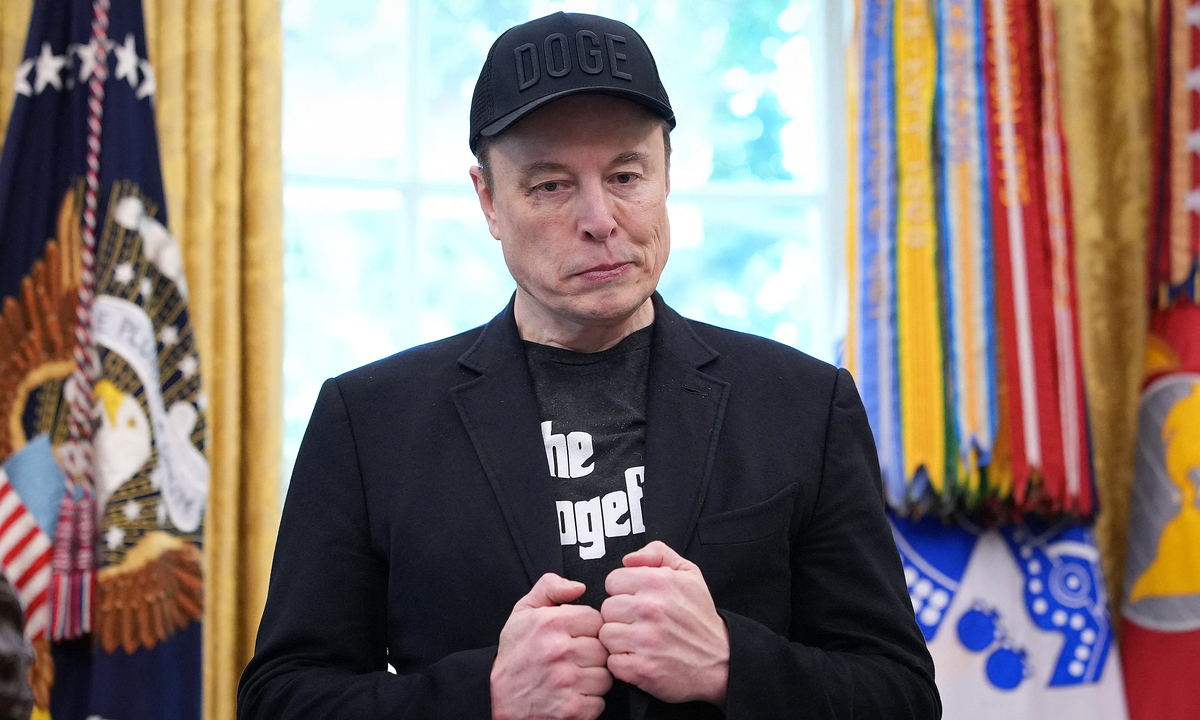
Billionaire Elon Musk has acknowledged that he has become too deeply involved in American politics, a move that has drawn significant criticism. This admission comes at a time when his businesses are facing considerable challenges. Musk's ventures, including Tesla and SpaceX, are prominent in their respective industries, but the intersection of his public statements and business interests has frequently sparked debate. The tech mogul's influence extends beyond his companies, with his social media presence often shaping public discourse. Critics argue that his political engagement distracts from his leadership responsibilities and can alienate customer bases or investors. This period of intense scrutiny highlights the complex relationship between prominent business figures and the political landscape. Musk's acknowledgment suggests a potential recalibration of his public strategy, though the full implications remain to be seen.
Elon Musk's public acknowledgment of over-involvement in politics suggests a recognition of the potential risks associated with blurring the lines between business leadership and political advocacy. The incentive structure for influential figures often involves leveraging their platform for broader impact, but this can create governance challenges and reputational risks. As the digital age amplifies the reach of such pronouncements, the market dynamics surrounding companies like Tesla and SpaceX may become increasingly sensitive to the personal brand and political stances of their leaders. This situation prompts consideration of how corporate governance frameworks can better navigate the intersection of executive influence, public opinion, and business strategy in the coming decade, particularly as AI continues to reshape communication and influence.
AI-generated to prompt reflection — not editorial opinion, not advice, not a statement of fact. How this works.