Elon Musk Announces AI-Generated 'Odyssey' Film, Challenges Christopher Nolan
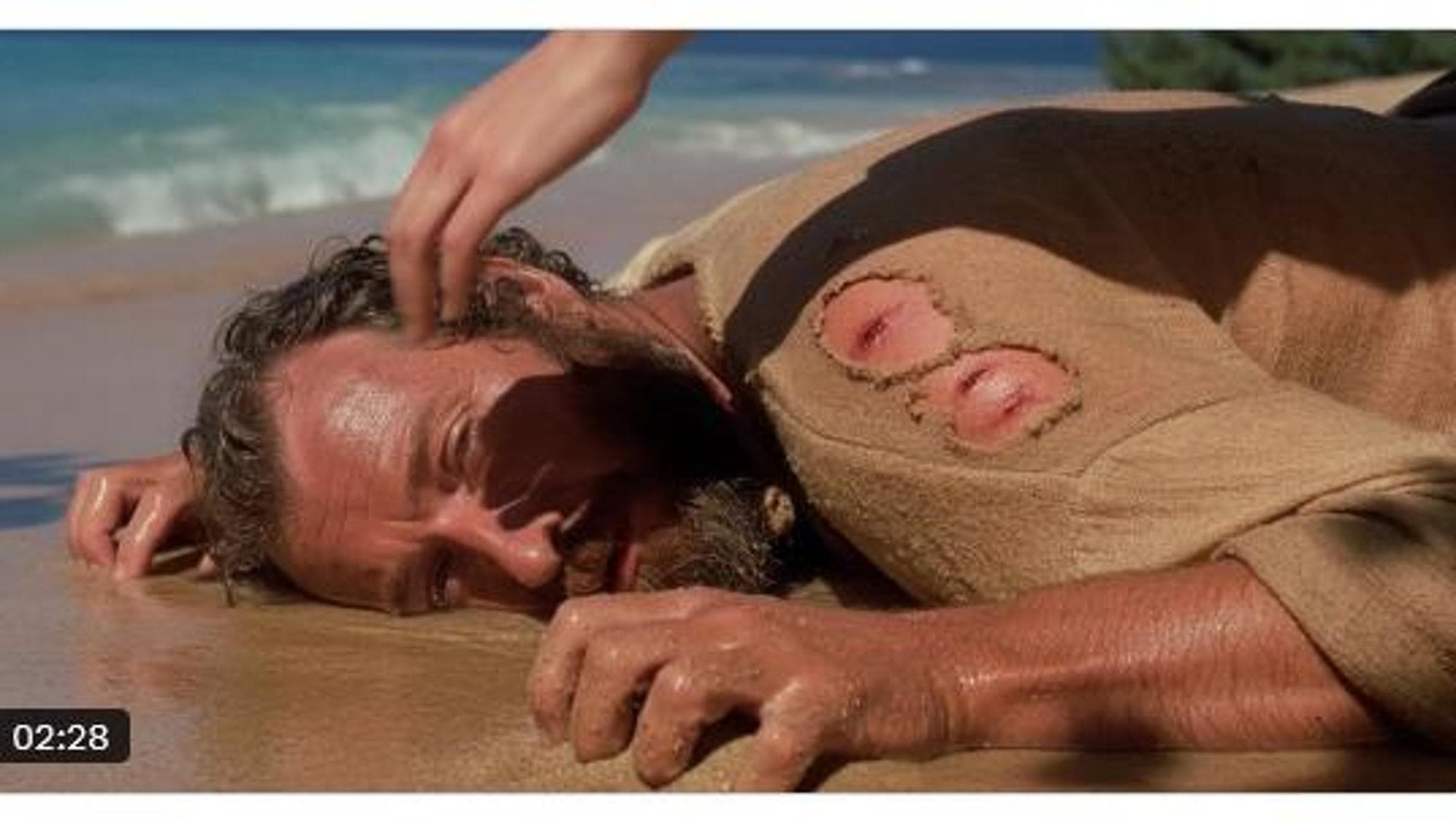
Elon Musk has announced plans to create his own cinematic adaptation of Homer's 'Odyssey' by the end of the year, utilizing his artificial intelligence model, Grok. Musk stated that the film will be faithful to Homer's original epic poem and potentially recited in ancient Homeric Greek. This ambitious project comes amidst Musk's recent criticisms of Christopher Nolan's 'Oppenheimer' film, particularly regarding casting choices and the director's perceived biases. Musk has previously described Nolan as an 'anti-white racist,' a comment made in response to criticisms of 'Oppenheimer' and its casting of Lupita Nyong'o. The tech billionaire's venture into AI-driven filmmaking suggests a bold exploration of creative possibilities and a direct challenge to traditional cinematic production methods.
Elon Musk's announcement of an AI-generated 'Odyssey' film, created with Grok and potentially featuring Homeric Greek dialogue, represents a significant intersection of advanced AI capabilities and classical art. This initiative could explore novel methods for content creation, potentially democratizing aspects of filmmaking and offering new avenues for artistic expression. However, it also raises questions about authorship, creative integrity, and the role of human artistic direction in the age of generative AI. The venture's success will depend on Grok's ability to not only replicate but also imbue the narrative with the depth and emotional resonance of Homer's epic, while navigating the complex ethical and aesthetic considerations inherent in AI-driven art. The potential for AI to interpret and re-present foundational cultural works invites a broader societal discussion on how technology shapes our understanding and appreciation of human heritage.
AI-generated to prompt reflection — not editorial opinion, not advice, not a statement of fact. How this works.