Elon Musk Loses $363 Billion in July, Remains World's Richest Person
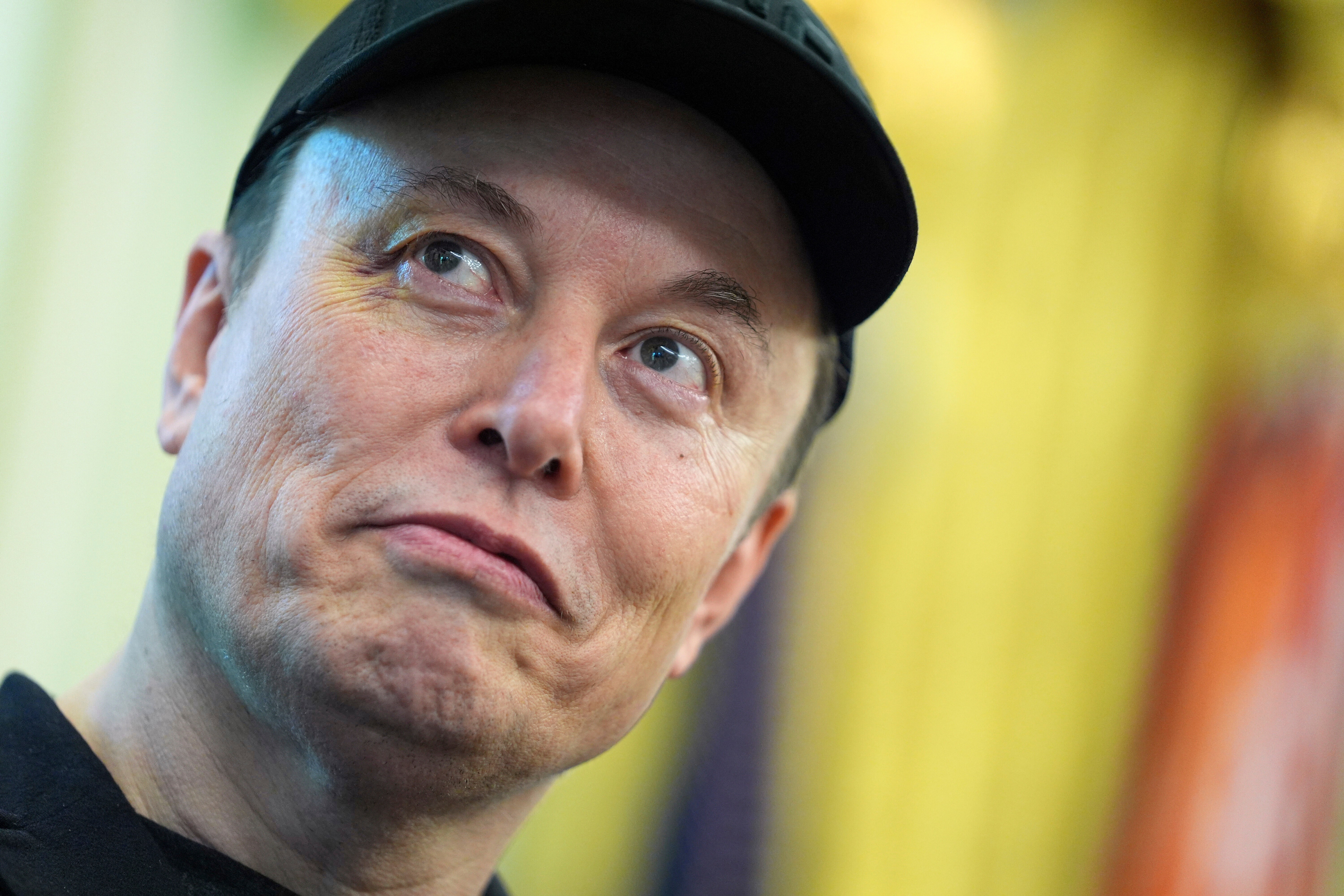
Elon Musk, CEO of Tesla and SpaceX, maintained his position as the world's wealthiest individual despite a significant drop in his net worth. In July, Musk's fortune decreased by $363 billion (approximately R$ 1.815 trillion), according to Forbes. This decline follows his historic achievement on June 12th, when he became the first person to amass a trillion-dollar fortune (R$ 5 trillion). The fluctuations in wealth are primarily attributed to the performance of the stocks of companies controlled by these billionaires.
Jeff Bezos, founder of Amazon, saw his net worth increase by $29 billion (R$ 145 billion) due to a 14% rise in Amazon's stock, reclaiming the third spot in the Forbes ranking. The tech sector continues to dominate the list of the world's wealthiest individuals, with eight of the top ten fortunes linked to technology and artificial intelligence companies. These include Google, Amazon, Meta, Nvidia, Oracle, Tesla, and SpaceX. Collectively, the top ten fortunes saw a total decrease of $368 billion (R$ 1.84 trillion) in July, bringing their combined net worth to $2.6 trillion (R$ 13 trillion).
Musk's substantial loss was largely driven by a 37% drop in SpaceX's stock value and a 26% decline in Tesla's shares in July. SpaceX's market value decreased following its initial public offering, while Tesla's stock performance was impacted by results that fell short of investor expectations. Other notable wealth decreases included Larry Ellison of Oracle, who lost $24 billion (R$ 120 billion), and Michael Dell of Dell Technologies, who saw a reduction of $6 billion (R$ 30 billion). The list of the ten richest people, dominated by Americans, includes Larry Page (Google), Sergey Brin (Google), Mark Zuckerberg (Meta), Jensen Huang (Nvidia), and Bernard Arnault (LVMH), with Arnault being the sole European representative.
The substantial wealth fluctuations among top billionaires, particularly Elon Musk's significant loss in July, underscore the inherent volatility of wealth tied to publicly traded technology stocks. This event highlights the interconnectedness of market sentiment, corporate performance, and individual net worth, especially within the dominant tech and AI sectors. The concentration of wealth among a few individuals and the geographic concentration in the U.S. raise ongoing questions about wealth distribution and the systemic factors that enable such rapid accumulation and depreciation. As the global economy navigates technological advancements and potential market corrections, the resilience and adaptability of these business models and their leaders will be critical indicators of future wealth sustainability and broader economic trends.
AI-generated to prompt reflection — not editorial opinion, not advice, not a statement of fact. How this works.
