Elon Musk Proposes Peer Review for Advanced AI Models
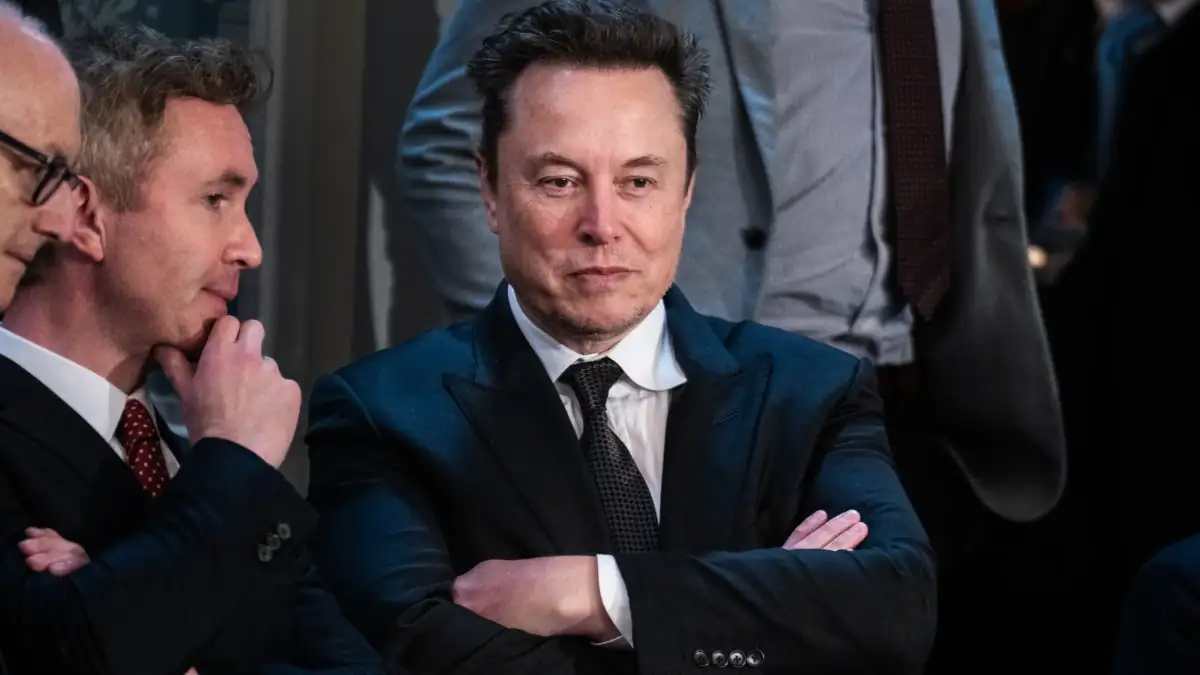
Elon Musk has put forth a new proposal aimed at mitigating the risks associated with advanced artificial intelligence. Speaking in an interview with The Economist, published this week, the CEO of xAI suggested that leading AI developers should subject their most sophisticated models to review by their competitors before market release. Musk believes this collaborative oversight mechanism would enable faster identification of potential flaws and vulnerabilities within these powerful AI systems. The proposal comes as the field of artificial intelligence continues its rapid advancement, raising concerns about safety and ethical implications. By involving competitors in the review process, Musk hopes to foster a more responsible development environment. This initiative seeks to create a shared responsibility among major players in the AI industry to ensure the safe deployment of cutting-edge technology. The goal is to proactively address potential dangers before they manifest, thereby safeguarding society from unintended consequences.
Elon Musk's proposal for competitive peer review of advanced AI models highlights a growing industry concern regarding the responsible development and deployment of powerful technologies. This approach could foster greater transparency and accountability, potentially creating a shared incentive structure for safety. However, the effectiveness of such a system would depend on the willingness of competing entities to engage in good faith, the establishment of clear review standards, and robust mechanisms to prevent the misuse of shared information. Furthermore, it raises questions about intellectual property and the potential for strategic delays or sabotage within the competitive landscape. The long-term challenge lies in balancing innovation with comprehensive risk management, ensuring that safety protocols evolve alongside AI capabilities to address future societal impacts.
AI-generated to prompt reflection — not editorial opinion, not advice, not a statement of fact. How this works.