Emacs: A Classic Text Editor's Enduring Presence
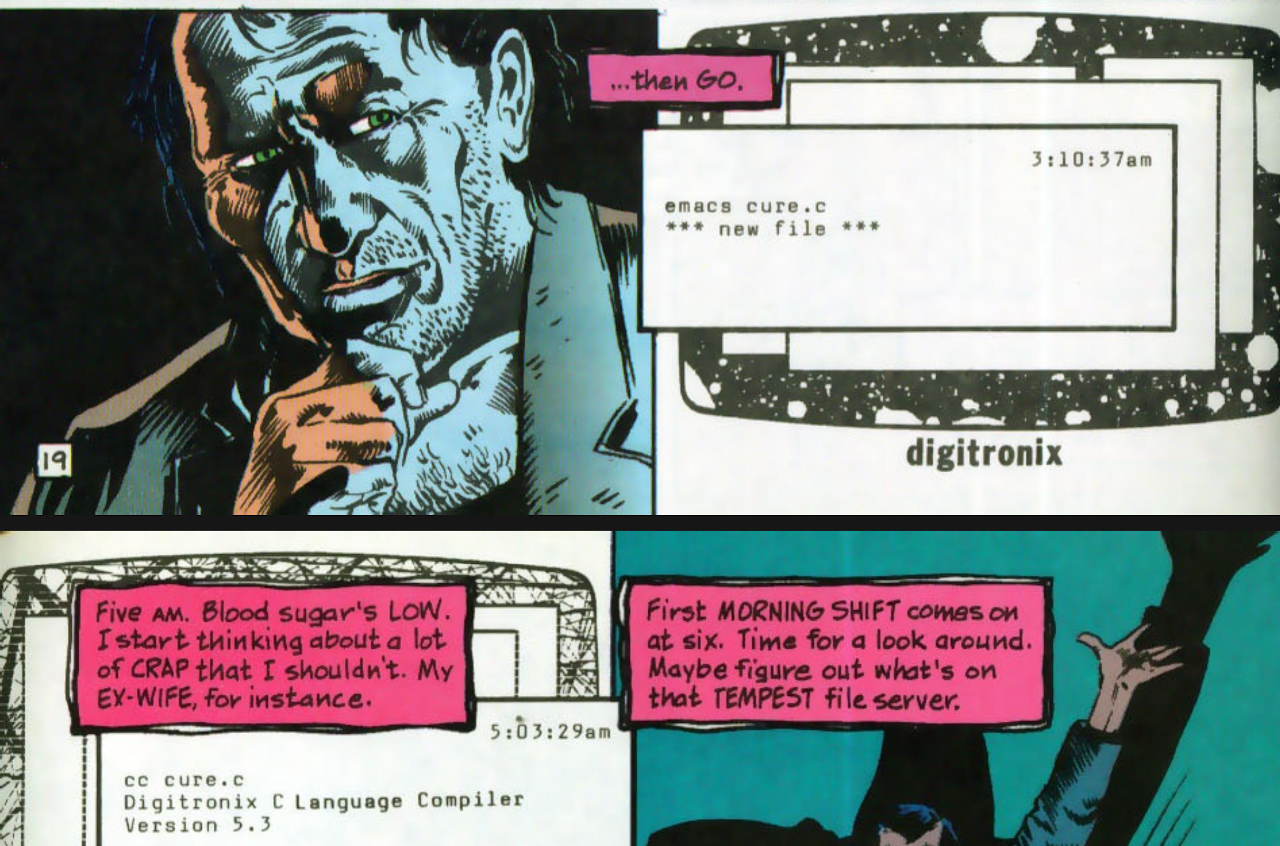
Emacs stands as one of the seminal classic text editors, recognized alongside vi for its significant impact on the computing world. It is particularly renowned for its distinctive interface and its widespread adoption throughout the Unix-like operating system environment. The editor's long history and deep integration into developer workflows have cemented its status as a foundational tool for many.
Its unique feature set and extensibility have allowed it to remain relevant despite the emergence of newer, more modern editors. Emacs has cultivated a dedicated user base that values its power and customizability. This enduring popularity highlights the value of robust, adaptable software in the ever-evolving landscape of technology.
Emacs represents a category of deeply integrated, highly customizable software tools that have fostered dedicated communities. Its longevity in the face of rapid technological advancement underscores the enduring appeal of user control and extensibility. As AI models become more sophisticated, the interaction paradigms between humans and complex systems are evolving. Tools like Emacs, which empower users to shape their environment, may offer insights into future human-computer interaction, emphasizing agency and deep customization over more abstracted interfaces. The challenge for such legacy systems is to integrate with or adapt to emerging AI capabilities without alienating their core user base.
AI-generated to prompt reflection — not editorial opinion, not advice, not a statement of fact. How this works.
