Embodied AI Models Surge: 13 New Releases in June 2026 Signal Software Intelligence Race
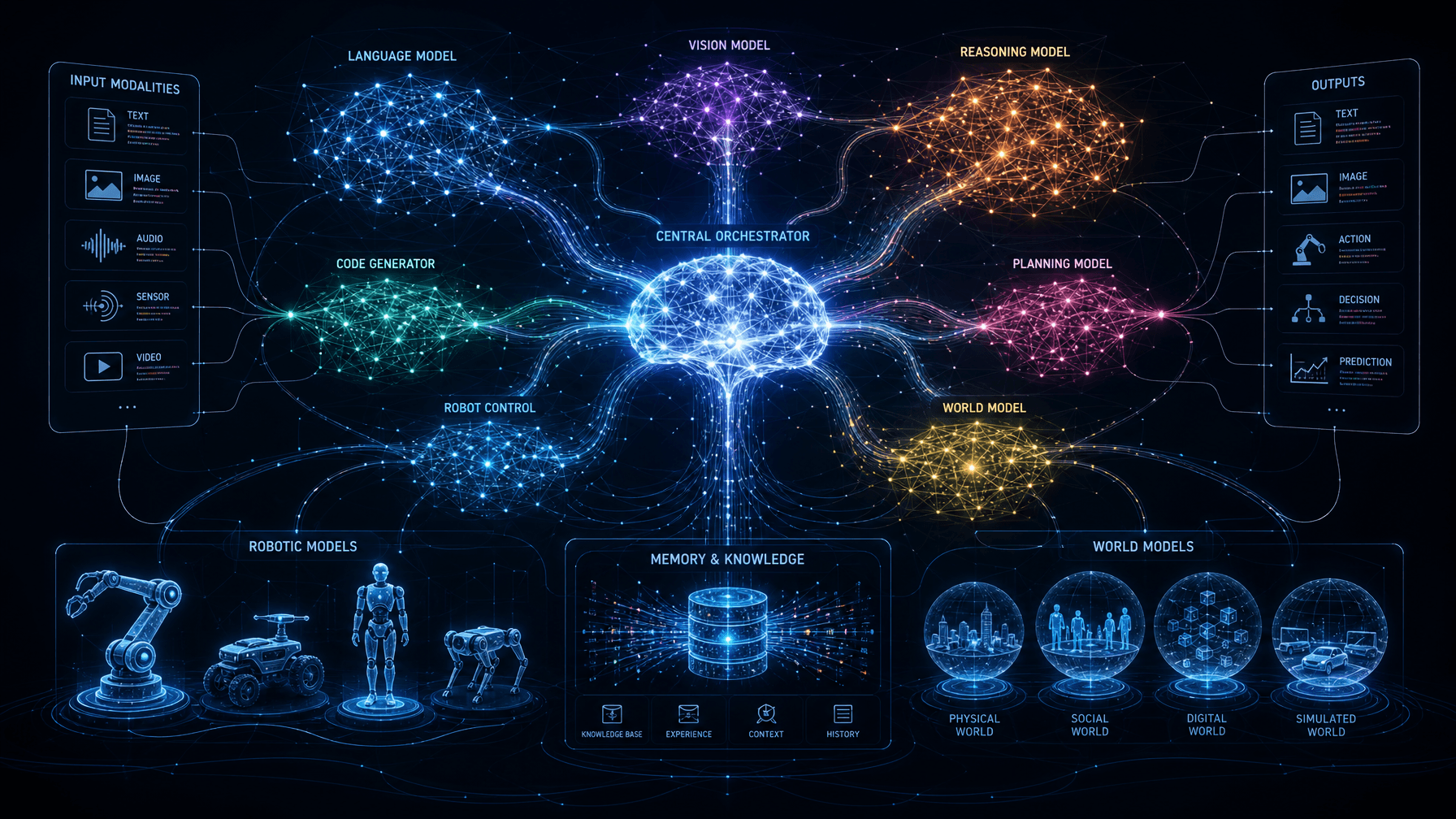
June 2026 marked a significant acceleration in the development of embodied artificial intelligence, with the release of 13 new embodied AI models and world models. This surge indicates a notable shift in the competitive landscape of embodied AI, moving away from a primary focus on hardware benchmarks towards a greater emphasis on software intelligence. The trend suggests that advancements in the underlying algorithms, learning capabilities, and decision-making processes of AI systems are becoming the key differentiators. This evolution is likely to drive further innovation in how AI interacts with and operates within physical environments. The rapid pace of these releases underscores the intense research and development efforts underway globally in this cutting-edge field. As more sophisticated software intelligence emerges, the capabilities of embodied AI systems are expected to expand dramatically, impacting various industries and applications. The competition is no longer solely about the physical form or processing power, but increasingly about the cognitive abilities of the AI.
The rapid proliferation of embodied AI models, with 13 new releases in June 2026 alone, highlights a pivotal transition in the field. The reported shift from hardware benchmarks to software intelligence competition suggests that the core value proposition for embodied AI is increasingly residing in its cognitive and learning capabilities rather than raw processing power or physical form. This evolution points towards a future where the sophistication of AI's internal models and its ability to adapt and learn will be paramount. Over the next decade, this focus on software intelligence will likely drive advancements in areas such as complex task execution, natural language interaction within physical contexts, and autonomous decision-making. Companies and research institutions will need to prioritize algorithmic innovation and robust training methodologies to remain competitive in this rapidly advancing domain.
AI-generated to prompt reflection — not editorial opinion, not advice, not a statement of fact. How this works.