Embraer's Eve Air Mobility Secures Orders for Up to 46 "Flying Cars"
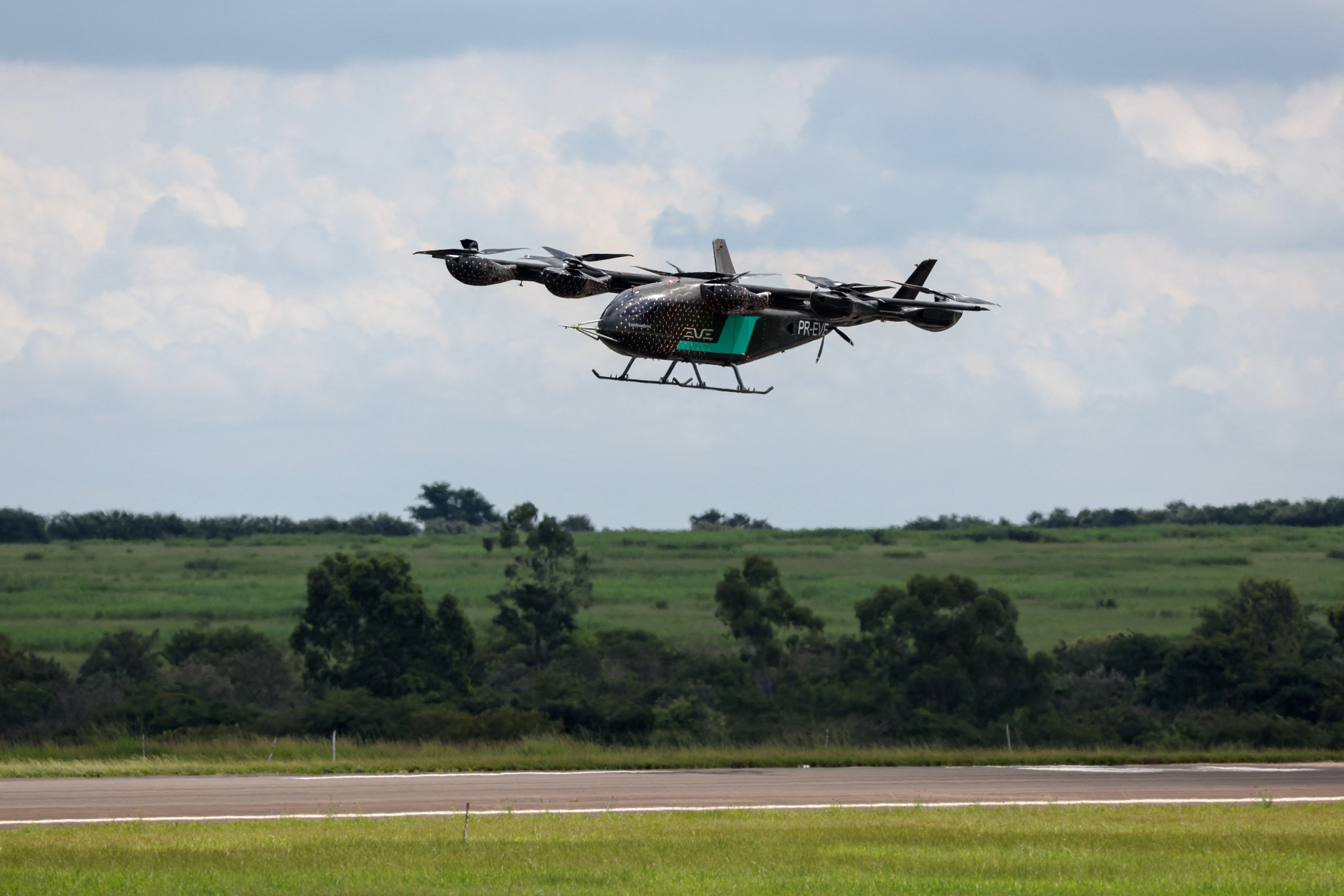
Eve Air Mobility, a subsidiary of Embraer focused on advanced air mobility, has announced new agreements potentially totaling up to 46 electric vertical takeoff and landing (eVTOL) aircraft, often referred to as "flying cars." One agreement is with Swiss aviation firm Moov, which has expressed interest in acquiring as many as 30 eVTOLs. This partnership also aims to explore the implementation of advanced air mobility solutions in Cape Verde and Europe. Potential applications include tourist flights, transport between airports, ports, and resorts, and inter-island connections within Cape Verde, specifically between São Vicente, Santo Antão, Sal, Praia, and Boa Vista. The companies are also considering the use of these aircraft for medical transport and infrastructure inspection. Cape Verde is seen as a favorable location for such operations due to its growing tourism sector and infrastructure investments, having welcomed approximately 1.18 million visitors in 2024. The second agreement involves Shearwater Global Capital, an aviation financing company, which intends to acquire up to 16 eVTOLs. This collaboration is designed to expand leasing options for future operators, facilitating fleet growth as the advanced air mobility market develops. Eve's eVTOLs, manufactured in Taubaté, Brazil, with an annual capacity of 480 units, are currently undergoing testing and are slated for operational deployment in 2027. Each aircraft can accommodate five people (one pilot and four passengers) and has a range of 100 kilometers, suitable for short urban routes. Eve anticipates commencing eVTOL deliveries and commercial operations in 2027, projecting a global fleet of 30,000 eVTOLs by 2045, capable of transporting over 3 billion passengers.
The burgeoning eVTOL market, exemplified by Eve Air Mobility's recent agreements, signals a significant shift towards electric aviation for urban and regional transport. These developments highlight a strategic push by established aerospace players like Embraer to capture a share of this emerging sector, driven by technological advancements in battery power, electric propulsion, and autonomous systems. The focus on leasing and financing partnerships suggests an understanding that widespread adoption will require accessible capital and scalable fleet management solutions. As the industry matures, regulatory frameworks, air traffic management integration, and public acceptance will be critical determinants of success. The projected growth to 30,000 eVTOLs by 2045 underscores the potential for these aircraft to reshape mobility, but also raises questions about infrastructure development, energy demands, and the equitable distribution of these new transportation services.
AI-generated to prompt reflection — not editorial opinion, not advice, not a statement of fact. How this works.