Embryo Adoption Surges in Afghanistan as More Seek Parenthood
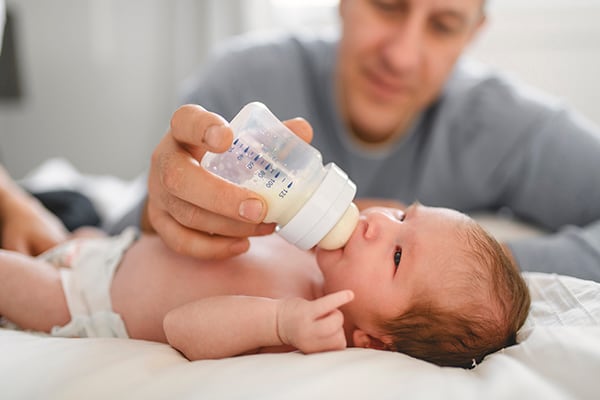
Embryo adoption is becoming an increasingly common practice in Afghanistan, offering a path to parenthood for individuals and couples. The practice involves couples who have undergone in vitro fertilization (IVF) treatments and have surplus embryos, donating them to others who wish to become parents. This method provides an alternative for those facing infertility or seeking to build their families. The rising frequency of embryo adoption suggests a growing acceptance and utilization of assisted reproductive technologies within the country. It highlights a developing trend in family formation and reproductive choices available to Afghan citizens. The process facilitates the creation of families through a method that reuses existing embryos, potentially reducing the need for new IVF cycles for some prospective parents. This practice addresses the desire for biological connection while navigating the complexities of fertility treatments. The increasing prevalence indicates a significant shift in how people are approaching parenthood in Afghanistan.
The increasing adoption of embryos in Afghanistan reflects evolving societal attitudes towards assisted reproductive technologies and family building. This trend may be influenced by factors such as the desire for biological children, the high cost or accessibility challenges of other fertility treatments, and a growing understanding of embryo donation as a viable option. As this practice becomes more mainstream, it raises considerations regarding ethical frameworks, legal regulations surrounding embryo donation and parental rights, and the psychological support for all parties involved. Future developments could see greater formalization of these processes to ensure clarity and protection for donors, recipients, and any resulting children, aligning with global best practices in reproductive medicine and family law.
AI-generated to prompt reflection — not editorial opinion, not advice, not a statement of fact. How this works.