Emilia Pardo Bazán's "Insolación" Caused a Scandal in 19th Century Spain
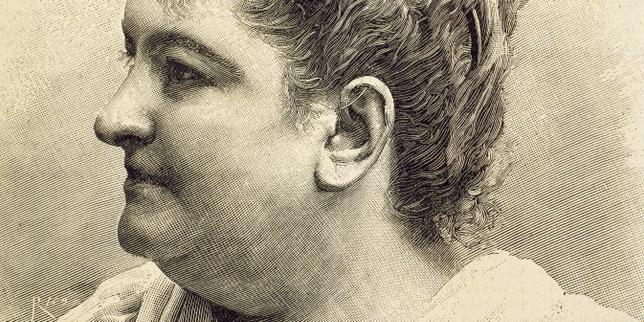
Emilia Pardo Bazán's novel "Insolación" generated significant scandal in 19th-century Spain due to its exploration of the conflict between desire and propriety. Pardo Bazán, a prominent writer active from 1851 to 1921, is recognized for introducing Émile Zola's naturalism to Spanish literature. The novel itself focuses on the passionate experiences of a young widow. Through this work, Pardo Bazán offered a glimpse into her own life and perspectives. The book's controversial reception highlights the societal constraints and moral expectations prevalent in Spain during that era. "Insolación" remains a notable example of Pardo Bazán's literary contributions and her willingness to challenge established norms.
The controversy surrounding Emilia Pardo Bazán's "Insolación" in 19th-century Spain underscores the societal tension between burgeoning literary realism and deeply entrenched moral conventions. Pardo Bazán's role as an importer of naturalism suggests an engagement with European literary trends, pushing Spanish literary discourse toward more candid explorations of human psychology and social dynamics. The novel's focus on a passionate young widow likely challenged patriarchal norms and expectations of female comportment, reflecting broader shifts in gender roles and individual agency being debated globally. This event can be viewed as a microcosm of the ongoing negotiation between artistic freedom and societal censorship, a dynamic that continues to shape cultural production in the digital age, where the speed of information dissemination can amplify both acclaim and backlash.
AI-generated to prompt reflection — not editorial opinion, not advice, not a statement of fact. How this works.