Emirates Rejects Early Boeing 777X Jets Amid Production Concerns
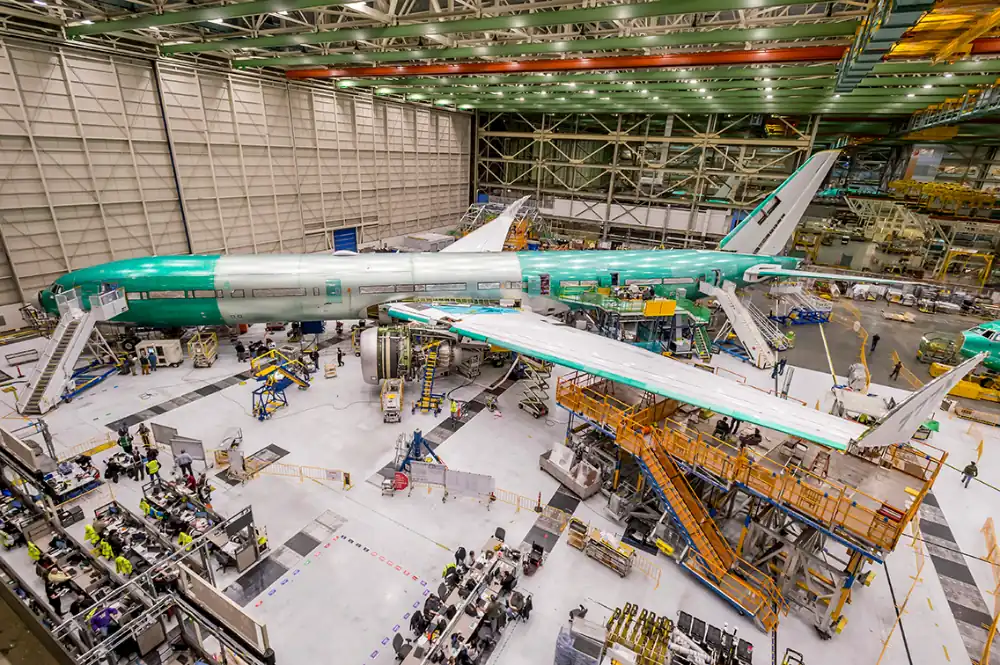
Emirates airline has stated it will not accept the first production models of the Boeing 777X aircraft due to concerns about their performance and potential issues. These early jets have been manufactured while the 777X undergoes its final testing phases, which include oversight from the U.S. Federal Aviation Administration (FAA). The development of the 777X has been significantly delayed since its 2013 announcement, with a projected service entry much later than initially planned in 2020. Boeing has already accounted for billions of dollars in losses related to the program's cost overruns and extended timeline.
Sir Tim Clark, CEO of Emirates, expressed strong dissatisfaction, humorously suggesting Boeing could offer the jets for tin can manufacturing rather than accepting them. This situation echoes past challenges Boeing faced with the 787 Dreamliner, where early units required significant modifications or were scrapped, and subsequent aircraft earned the nickname 'terrible teens' due to persistent problems. Emirates, and potentially other airlines, are hesitant to take delivery of these 'early teens' 777X models, fearing higher operating costs and increased maintenance time compared to aircraft built to the final, certified standard. Boeing may have to offer substantial discounts to sell these early units to less discerning customers, though they are expected to be as safe as later models.
Meanwhile, the delays and issues with the 777X have reportedly spurred Airbus to consider an extended version of its A350, unofficially dubbed the A350-2000, potentially to compete directly with Boeing's flagship wide-body. While developing such a variant would also present challenges, including the need for more powerful engines, it is anticipated that Airbus could bring it to market significantly faster than Boeing has managed with the 777X.
The prolonged development and production challenges of the Boeing 777X, exemplified by Emirates' refusal of early units, highlight the complex interplay between aircraft manufacturing timelines, regulatory oversight, and customer expectations. The significant delays and cost overruns suggest potential systemic issues within Boeing's development and production processes, possibly exacerbated by the need to integrate new technologies and satisfy stringent safety standards. This situation creates market opportunities for competitors like Airbus, who may leverage Boeing's difficulties to advance their own product offerings. The industry's future may favor manufacturers demonstrating agility and efficiency in bringing advanced, reliable aircraft to market, particularly as airlines navigate evolving operational demands and environmental considerations in the coming decade.
AI-generated to prompt reflection — not editorial opinion, not advice, not a statement of fact. How this works.