Emirates to Reject Boeing 777X Jets, Citing Quality Concerns
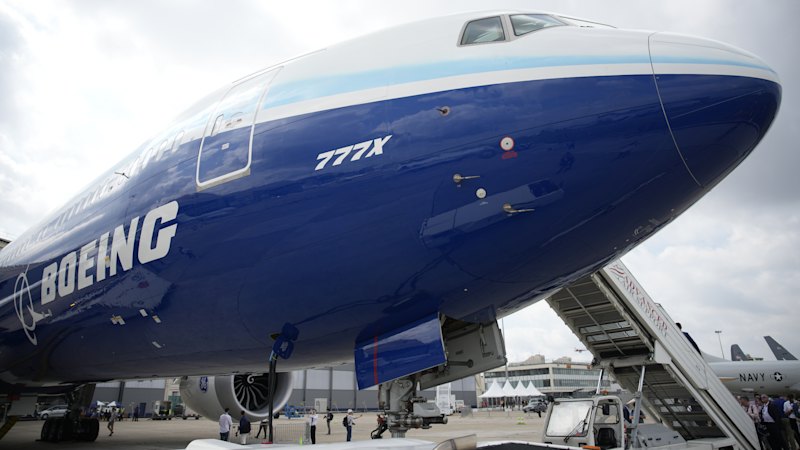
Emirates airline has announced it will refuse delivery of 10 Boeing 777X aircraft, citing significant quality issues. The airline's president, Tim Clark, stated that the $629 million jets, which have already faced considerable delays, are not meeting acceptable standards. Clark humorously suggested that the planes would be better suited for use as 'baked bean cans' by Heinz, highlighting the perceived unsuitability for passenger service. This decision represents a substantial setback for Boeing, which is already grappling with production challenges and a damaged reputation. The 777X program has been plagued by delays and technical problems, impacting its timeline and cost. Emirates' refusal underscores the growing frustration among major airlines regarding Boeing's manufacturing quality and delivery reliability. The airline's stance could further pressure Boeing to address its quality control issues and improve its relationship with key customers.
Emirates' rejection of Boeing's 777X aircraft, citing quality concerns and significant delays, highlights a critical inflection point for the aerospace manufacturer. The airline's candid remarks, likening the jets to 'baked bean cans,' underscore a severe erosion of confidence in Boeing's production capabilities and product integrity. This situation reflects broader market dynamics where customer tolerance for manufacturing defects and schedule overruns diminishes as aircraft become more technologically complex and capital-intensive. The financial implications for Boeing are substantial, not only in terms of lost orders and potential compensation but also in the reputational damage that could deter future business. Looking ahead, Boeing faces the imperative to demonstrate a robust commitment to quality assurance and supply chain management, potentially requiring significant internal restructuring and a renewed focus on engineering excellence to regain trust and secure its long-term market position in an increasingly competitive global landscape.
AI-generated to prompt reflection — not editorial opinion, not advice, not a statement of fact. How this works.