Emmanuel Levinas: 120 Years Since His Birth
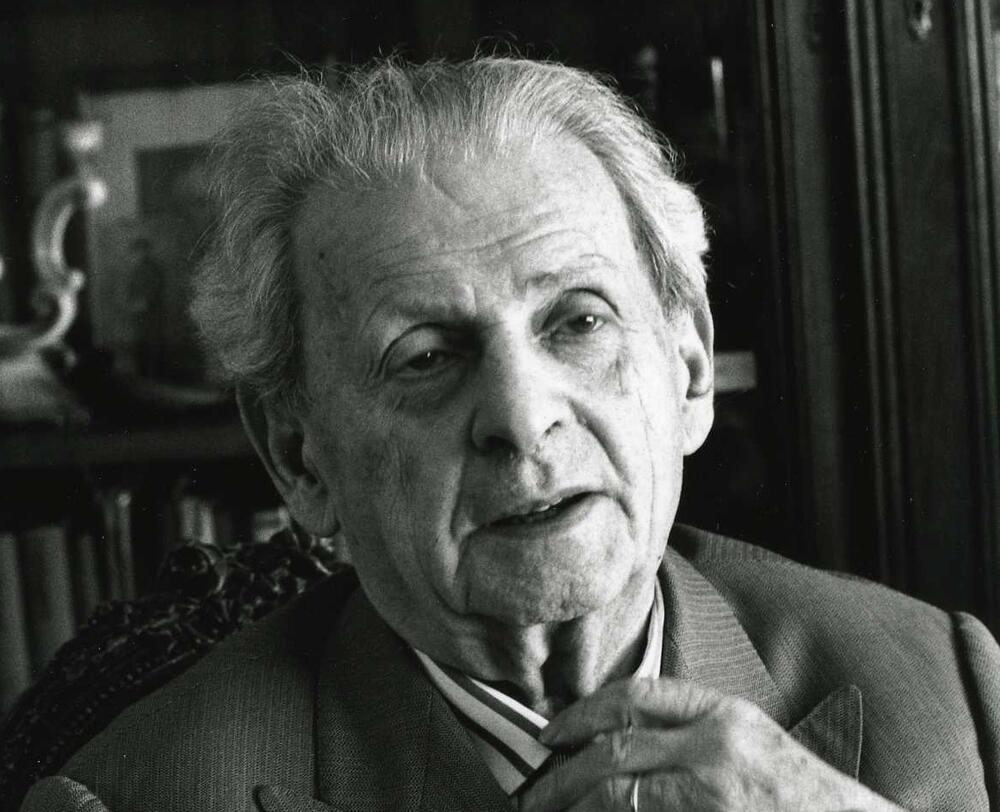
This piece reflects on the 120th anniversary of the birth of philosopher Emmanuel Levinas. It explores his philosophical concept of political practice grounded in radical passivity. Levinas's ideal of justice is situated within the immediate experience of an individual's suffering caused by the suffering of another. This ethical framework suggests that true justice arises from a profound empathetic connection to the pain of others. The philosophy emphasizes a subjective encounter with the other's vulnerability as the foundation for political action and ethical responsibility. This perspective challenges conventional notions of political engagement, proposing a model rooted in deep personal sensitivity and responsiveness to the plight of fellow human beings. The core idea is that acknowledging and internalizing the suffering of others is a prerequisite for building a just society.
Emmanuel Levinas's philosophy, emphasizing justice derived from the subjective experience of the other's suffering, offers a profound ethical counterpoint to often transactional political systems. This framework challenges dominant paradigms that prioritize abstract principles or self-interest over direct empathetic engagement. In the context of the emerging AI era, where algorithmic decision-making could depersonalize justice, Levinas's focus on the irreducible singularity of the other's pain serves as a critical reminder of the human element in ethical considerations. The long-term challenge lies in integrating such deeply personal ethical imperatives into scalable governance structures without losing their essential meaning, potentially fostering more compassionate societal frameworks.
AI-generated to prompt reflection — not editorial opinion, not advice, not a statement of fact. How this works.