Emperor Marcus Aurelius: Stoic in Rome and on the Battlefield
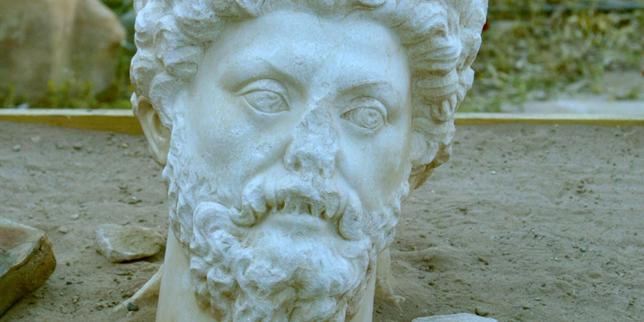
This article, the first in a five-part series titled 'When Sages and Philosophers Rule,' explores the Roman Emperor Marcus Aurelius's remarkable ability to balance the exercise of power with a life of wisdom. Aurelius is presented as a figure who, unlike many others, successfully integrated his philosophical principles with his role as a ruler. His life exemplified the Stoic ideal, demonstrating that it was possible to maintain inner peace and ethical conduct even amidst the demands of leadership and conflict. The piece highlights his dual existence, navigating the complexities of imperial governance in Rome while also facing the challenges of military campaigns on the battlefield. This unique combination of philosopher-king and warrior-emperor makes him a subject of enduring interest for understanding the intersection of power and personal philosophy.
Marcus Aurelius's legacy as a philosopher-king offers a timeless case study in leadership ethics and personal resilience. His ability to integrate Stoic philosophy with the practical demands of emperorship and warfare prompts reflection on the enduring human capacity to pursue wisdom amidst power. This historical example can inform contemporary discussions about governance, emphasizing the potential for leaders to embody both strategic acumen and profound ethical grounding. Examining such figures through a long-term lens reveals recurring societal aspirations for leadership that transcends mere political expediency, seeking instead a synthesis of effective action and moral integrity.
AI-generated to prompt reflection — not editorial opinion, not advice, not a statement of fact. How this works.