Endangered Kākāpō to Receive Bird Flu Vaccinations, Some Left Unvaccinated
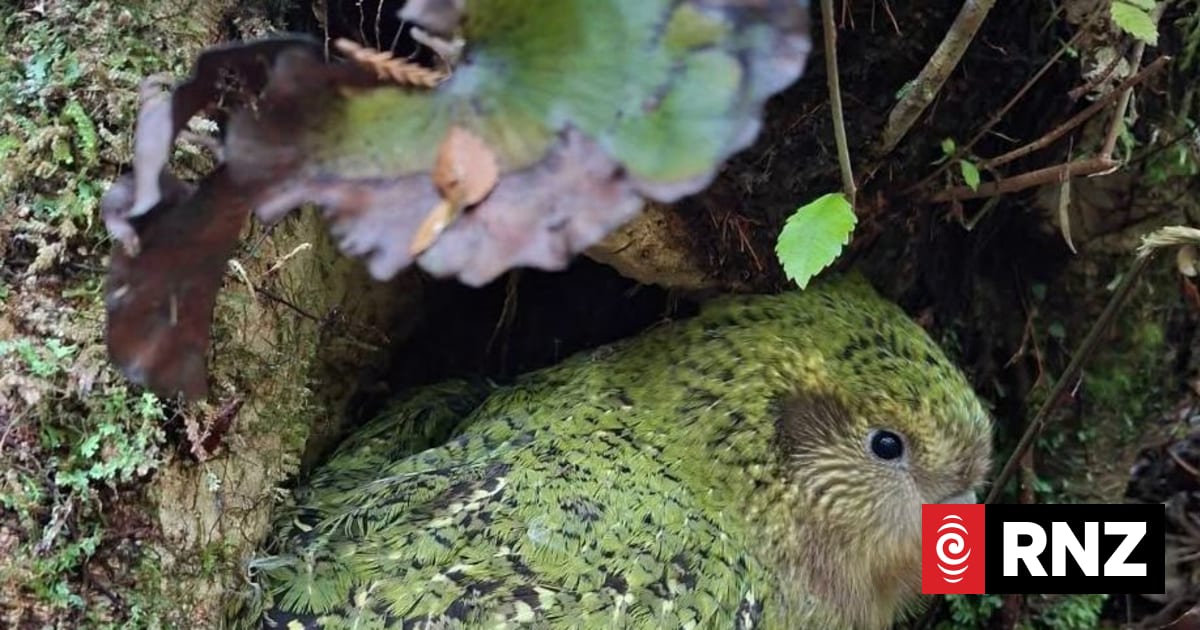
New Zealand's Department of Conservation (DOC) has announced plans to vaccinate approximately ninety kākāpō against avian influenza. This initiative includes the vaccination of new chicks, a crucial step in protecting the critically endangered species. However, the DOC intends to leave a small number of kākāpō unvaccinated. This decision is part of a broader strategy to manage potential risks and understand the disease's impact on the population. The kākāpō, a large, flightless, nocturnal parrot, has faced significant threats to its survival, making conservation efforts like this vaccination program vital. The DOC is closely monitoring the global spread of bird flu and its potential implications for vulnerable wildlife populations in New Zealand. Further details on the vaccination process and the rationale for leaving some birds unvaccinated are expected to be released by the department.
The Department of Conservation's strategy to vaccinate most, but not all, of the kākāpō population against avian influenza presents a complex risk-management scenario. This approach likely balances the immediate need for population-level immunity against the potential for unforeseen adverse reactions or the development of herd immunity through natural exposure in a controlled manner. The decision to leave some birds unvaccinated may serve as a control group for research purposes, allowing scientists to better understand the vaccine's efficacy and the disease's natural progression. This measured approach reflects the delicate balance required in conservation, where intervention must be carefully calibrated to avoid unintended consequences for a species already at high risk.
AI-generated to prompt reflection — not editorial opinion, not advice, not a statement of fact. How this works.