Endangered Ocelot Found Inside Residential Condominium in Maringá, Paraná
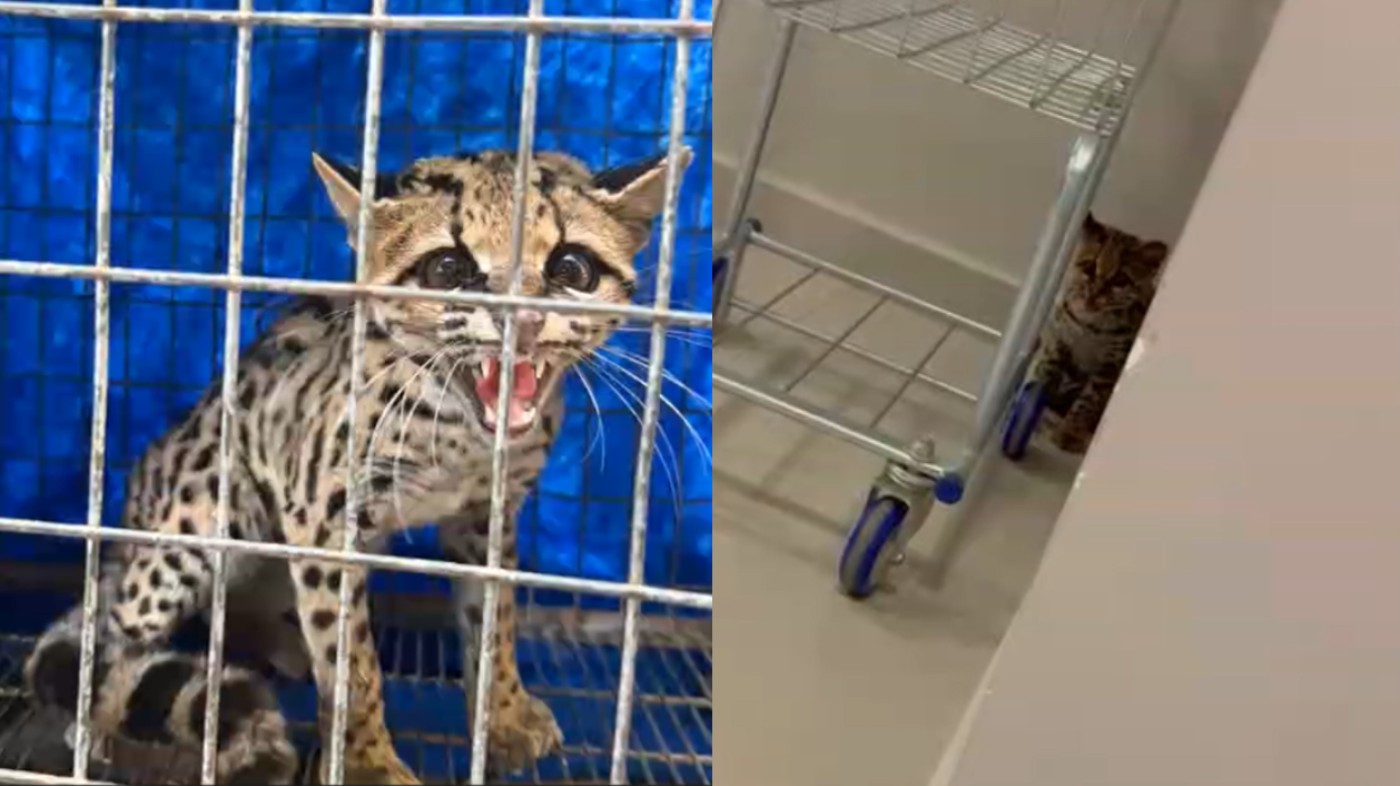
An ocelot (Leopardus wiedii), a feline species listed as endangered by the Chico Mendes Institute for Biodiversity Conservation (ICMBio), was discovered within a residential condominium in Maringá, located in the northern region of Paraná, Brazil. Environmental Military Police were alerted by residents on Thursday, May 9th, and responded to rescue the animal. The ocelot was found in the condominium's parking garage, hiding beneath parked vehicles. Following its rescue, the animal was transferred to a Wildlife Support Center for a veterinary medical evaluation before its planned return to its natural habitat. Fortunately, no injuries were reported among residents or the animal. Authorities suspect the ocelot entered the condominium from a nearby native forest area. Ocelots are known for their solitary and nocturnal habits, preying on small to medium-sized mammals. While they inhabit all Brazilian biomes, they are primarily associated with forest environments. The species is classified as 'vulnerable' on the endangered species list, which also includes 'endangered' and 'critically endangered' categories. The ocelot is also commonly known by other names such as gato-do-mato, gato-peludo, and maracajá-peludo.
The presence of an endangered ocelot within a residential area highlights the ongoing conflict between urban expansion and wildlife habitat preservation in Brazil. This incident underscores the critical need for robust urban planning that incorporates green corridors and buffer zones to mitigate human-wildlife encounters. Conservation efforts must balance species protection with community safety, potentially through enhanced wildlife monitoring and public education on coexisting with native fauna. Future strategies should focus on strengthening the ecological integrity of adjacent natural habitats to reduce the likelihood of such incursions, thereby safeguarding vulnerable populations and minimizing risks to both animals and residents.
AI-generated to prompt reflection — not editorial opinion, not advice, not a statement of fact. How this works.