Endangered Sea Turtle Nest Stolen Hours Before Hatchling Release in Brazil
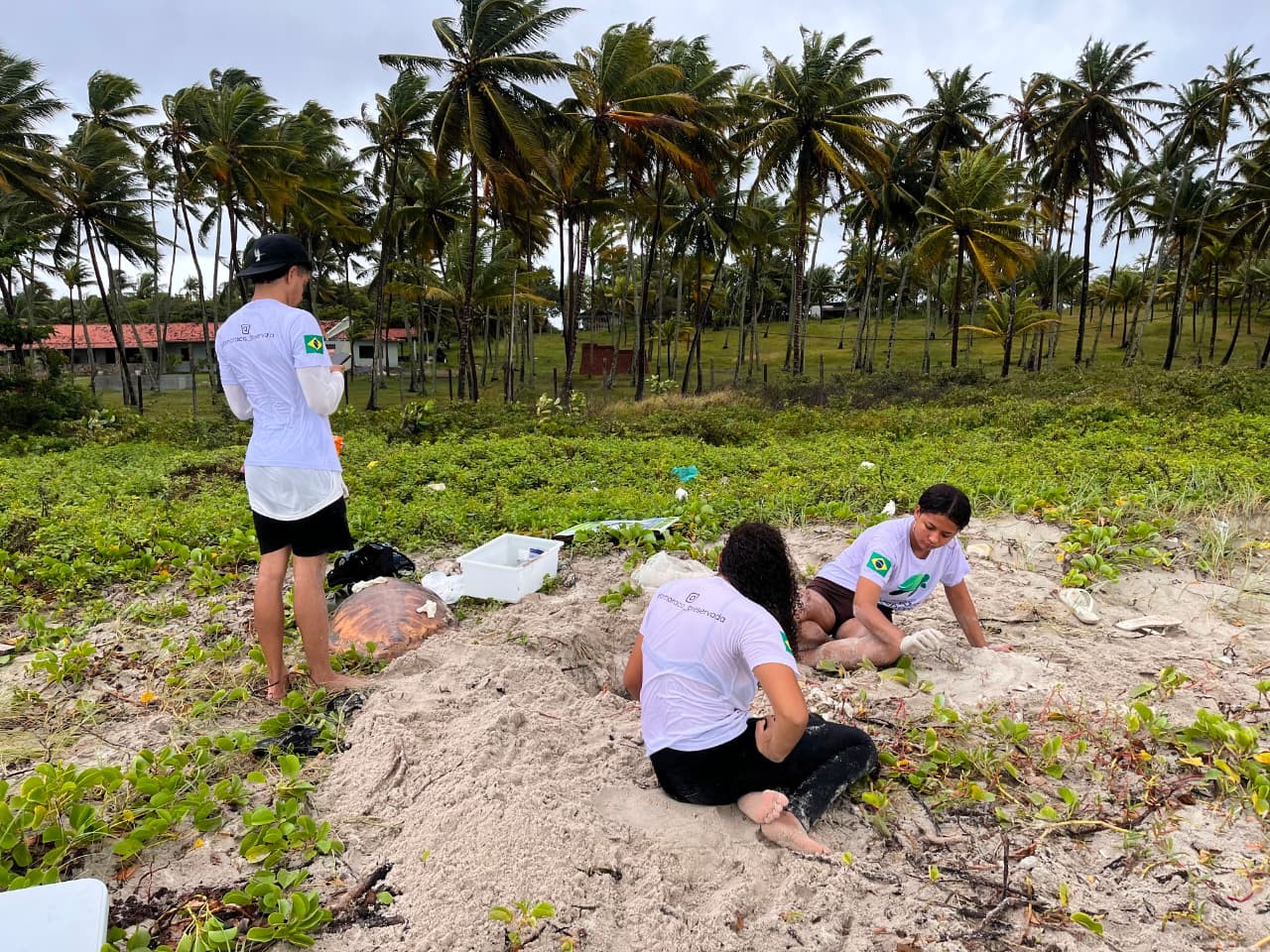
A nest containing eggs of the critically endangered hawksbill sea turtle was stolen from Jaguaribe beach on Itamaracá Island, near Recife, Brazil, early Friday morning, May 3rd. The theft occurred just hours before a planned event to release the hatchlings into the sea, according to the Itamaracá Preservada Institute, which monitors nests in the region. This marks the first such incident at this location, as reported by Ruan Fernandes, the institute's founder, who has overseen over 50 nests this year. Hawksbill turtles are classified as endangered in Brazil, making this theft a significant environmental crime. The exact number of stolen hatchlings was not disclosed, as it is considered sensitive information for the ongoing judicial investigation. The planned release event was set to include local students and the renowned singer Lia de Itamaracá, who had never witnessed a turtle hatching despite living on the island for 82 years. The Itamaracá Police Department is investigating the incident. Institute staff had previously inspected the nest and confirmed the eggs had not yet hatched. A protective screen had been placed over the nest to prevent premature hatching and disorientation from light pollution. Upon returning Friday morning, the team found the nest empty, with the screen carefully replaced and deliberately torn to suggest the hatchlings had escaped on their own. The technical team dismissed this possibility, confirming the theft. The institute is also notifying the State Environmental Agency (CPRH) and the Brazilian Institute of Environment and Renewable Natural Resources (Ibama). The Itamaracá municipality expressed regret over the "unacceptable situation" and pledged cooperation with the investigation, emphasizing the need for societal collaboration in environmental protection.
The theft of an endangered species' nest highlights the persistent conflict between conservation efforts and illicit wildlife trade, particularly when valuable species are involved. The perpetrators' actions, including the careful replacement and tearing of the protective screen, suggest a level of premeditation and an attempt to obscure their involvement, possibly indicating a demand for these eggs or hatchlings in illegal markets. This incident underscores the challenges faced by conservation groups in protecting vulnerable wildlife, especially in areas with limited resources or enforcement capacity. Future strategies may need to incorporate enhanced surveillance, community-based protection programs, and stronger inter-agency cooperation to deter such crimes and address the underlying economic incentives driving the illegal wildlife trade. The event also serves as a stark reminder of the fragility of biodiversity and the critical need for robust legal frameworks and public awareness campaigns to safeguard species like the hawksbill turtle from extinction.
AI-generated to prompt reflection — not editorial opinion, not advice, not a statement of fact. How this works.