Energy Explainer Part 5: Achieving Sustainable Prosperity from Oil
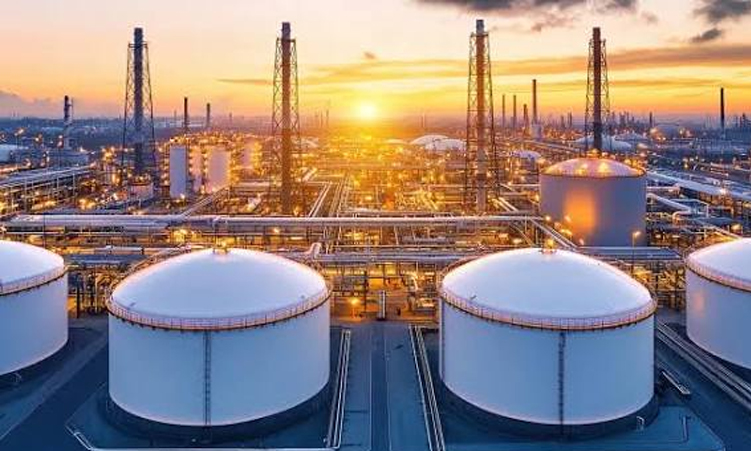
This article is the fifth and final installment of an energy explainer series, focusing on how to achieve lasting prosperity from oil resources. Previous parts of the series have addressed the meaning of local content, the readiness gap among small and medium enterprises (SMEs), the expectations of international oil companies (IOCs), and the responsibilities of the government. This concluding piece aims to synthesize these elements to outline a path toward sustainable economic benefits derived from the oil sector. It emphasizes that achieving prosperity requires a comprehensive understanding of the various stakeholders and their roles, from local businesses to international partners and government oversight. The series has progressively built a framework for understanding the complexities of oil resource management and its potential for long-term economic development.
This series concludes by framing lasting prosperity from oil as an outcome contingent on effective management of local content, SME development, international partnerships, and government stewardship. The analysis implicitly highlights the systemic challenge of translating resource wealth into broad-based economic gains, a common issue globally. Future prosperity hinges on navigating the inherent volatility of oil markets and the transition to alternative energy sources. Governments must balance immediate revenue needs with long-term investment in human capital and diversified economies to mitigate risks associated with resource dependency and ensure resilience in the face of evolving global energy landscapes.
AI-generated to prompt reflection — not editorial opinion, not advice, not a statement of fact. How this works.