Energy Minister Urges Finance Ministry to Avoid Burdening Public with Electricity Tax
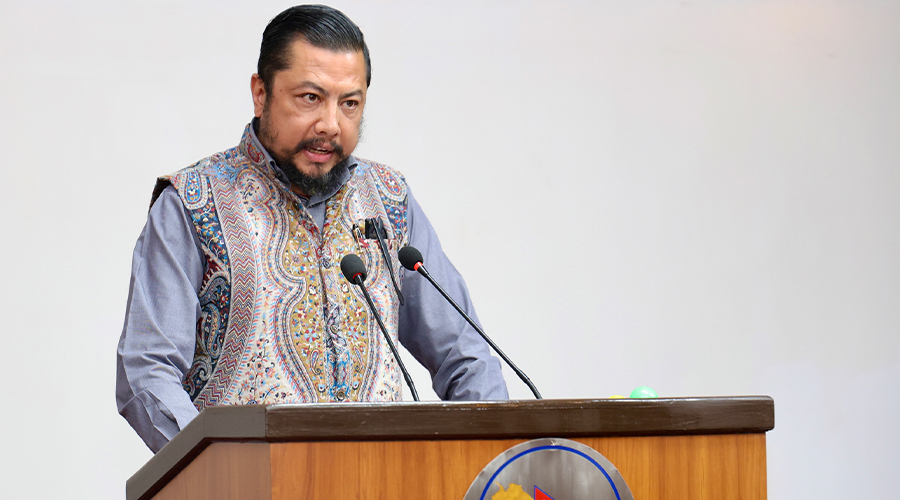
Energy, Water Resources, and Irrigation Minister Biraj Bhakta Shrestha has requested the Ministry of Finance to implement electricity tax measures that do not impose additional financial burdens on the public. This appeal comes amid widespread criticism of the government's new budget for the upcoming fiscal year, which includes provisions for increased electricity taxes. Minister Shrestha stated that he felt compelled to make this request to the Ministry of Finance due to the public outcry. The government's inclusion of new taxes on electricity in the budget has sparked considerable debate and concern among citizens and stakeholders. The minister's intervention aims to mitigate the potential negative economic impact on households and businesses. Further details regarding the specific tax proposals and the Ministry of Finance's response are pending. The situation highlights the ongoing tension between fiscal revenue generation and public affordability in Nepal's economic policy.
The Minister's request to the Ministry of Finance highlights a common governance challenge: balancing national revenue needs with public economic welfare. As Nepal navigates its fiscal policy, the introduction of new taxes, particularly on essential services like electricity, necessitates careful consideration of their distributional impact. The public's reaction suggests a sensitivity to increased costs, which could affect consumption patterns and economic activity. Future policy decisions will likely need to incorporate mechanisms for assessing and mitigating the regressive effects of taxation, ensuring that revenue generation strategies do not disproportionately burden lower-income segments of the population. This situation underscores the importance of transparent policy formulation and public consultation to foster trust and ensure equitable economic development.
AI-generated to prompt reflection — not editorial opinion, not advice, not a statement of fact. How this works.