Energy savings lead to lower demand despite hot weather
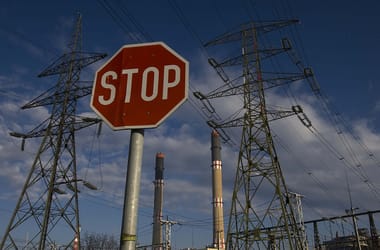
Despite experiencing extreme summer heat, Hungary has seen a noticeable reduction in electricity demand due to government-encouraged energy conservation measures. Typically, soaring temperatures lead to increased power consumption and higher peak loads during evening hours. However, the current savings efforts are yielding visible results, indicating a shift in consumption patterns. This suggests that the public is responding to calls for reduced energy usage, even as external conditions would normally drive demand upwards. The government's push for economy appears to be successfully mitigating the expected rise in electricity needs during this hot period. The impact of these savings is evident in the overall energy consumption figures, which are lower than they might otherwise be under similar weather conditions. The country is now experiencing energy demand that is 3-4 degrees Celsius cooler than what would be expected under normal circumstances without conservation. This demonstrates a tangible effect of the implemented austerity measures on national energy consumption.
The Hungarian government's energy conservation campaign appears to be effectively moderating electricity demand, even amidst unusually high summer temperatures. This outcome highlights the significant influence of public behavior and policy incentives on national energy consumption patterns. The success of these measures suggests a potential for greater energy resilience and reduced reliance on external energy sources, particularly as the global energy landscape faces increasing volatility. Looking ahead, sustained conservation efforts could contribute to long-term economic benefits and environmental sustainability, while also demonstrating the capacity for collective action to address systemic challenges. The interplay between extreme weather events and energy policy will continue to be a critical factor in national energy security and economic planning.
AI-generated to prompt reflection — not editorial opinion, not advice, not a statement of fact. How this works.
