Energy Theft Costs Over $640,000 in First Half of 2026 in Presidente Prudente Region
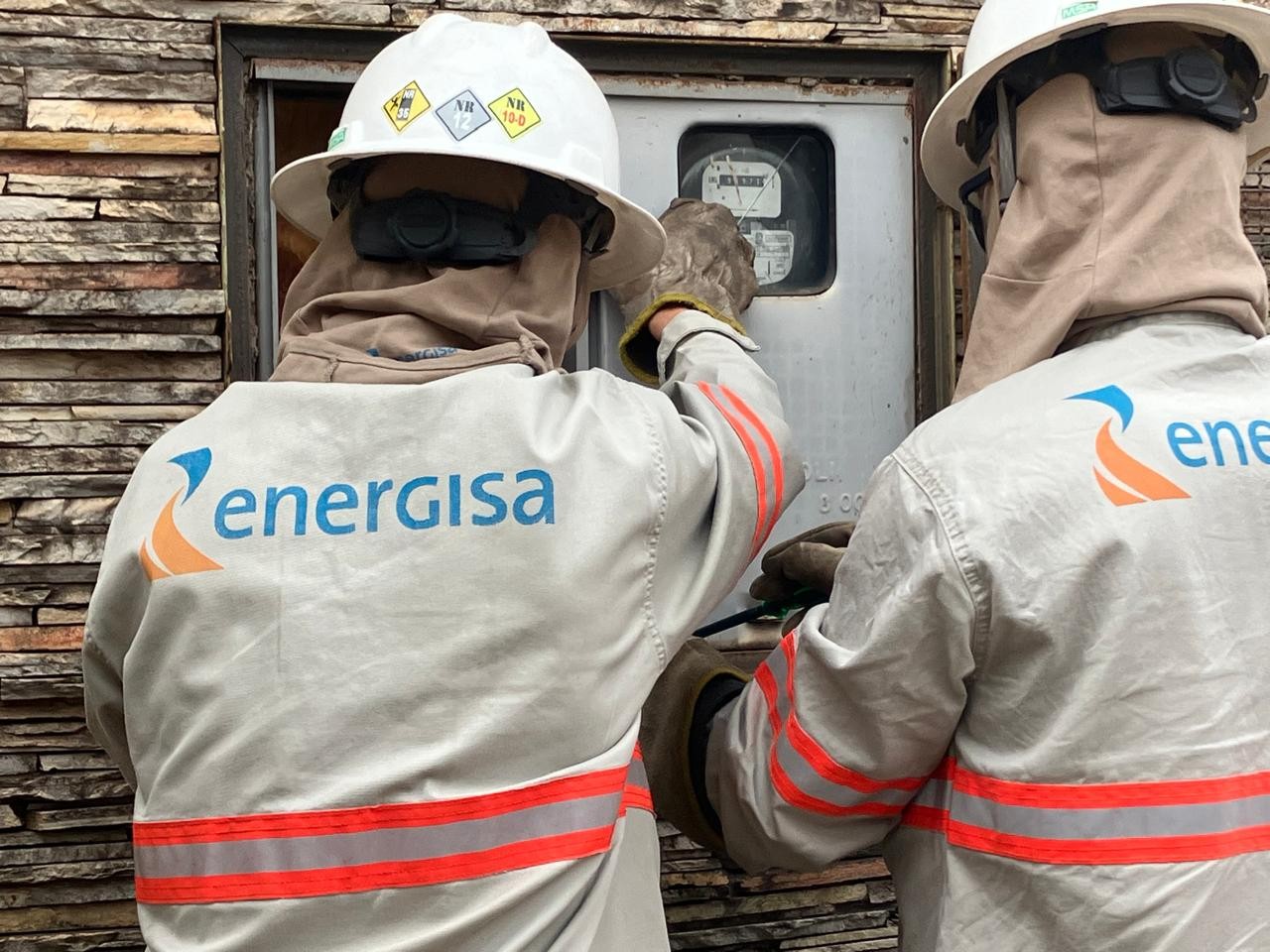
Energy theft in the Presidente Prudente region of Brazil resulted in financial losses exceeding R$ 640,000 during the first six months of 2026. According to the electricity provider, Energisa Sul-Sudeste, approximately 800,360 kilowatt-hours (kWh) of energy were illegally diverted between January and June. This amount of stolen energy is substantial enough to power around 4,000 families for an entire month. The company's investigation uncovered 202 instances of energy theft and fraud across various property types, including residential, commercial, industrial, and rural locations within the region.
In response to these findings, Energisa Sul-Sudeste has increased its inspection efforts in municipalities such as Alfredo Marcondes, Presidente Bernardes, Presidente Venceslau, and Santo Anastácio, in addition to ongoing actions in Presidente Prudente itself. Sidney Aparecido Lucio de Souza, the coordinator of security for Energisa Sul-Sudeste, highlighted that these measures aim to combat criminal activity that unfairly burdens honest consumers and poses significant public safety risks. He explained that unauthorized individuals, lacking technical expertise, tamper with the electrical system through clandestine connections or meter manipulation. These illegal connections, commonly known as "gatos," can lead to dangerous situations like short circuits, fires, and electric shocks.
The reported energy theft in Presidente Prudente highlights a persistent challenge in utility infrastructure management, where illicit diversions create substantial financial deficits and safety hazards. This practice, often driven by economic pressures or a lack of awareness regarding consequences, strains the operational capacity of energy providers and indirectly increases costs for legitimate consumers through higher tariffs or increased infrastructure maintenance. The systemic issue points to the need for enhanced monitoring technologies, robust legal frameworks for enforcement, and public education campaigns that emphasize the collective cost of energy theft. Addressing this requires a multi-pronged approach, balancing punitive measures with incentives for compliance and exploring innovative solutions to secure grid access while ensuring equitable energy distribution.
AI-generated to prompt reflection — not editorial opinion, not advice, not a statement of fact. How this works.