Energy theft detected at Petrópolis businesses
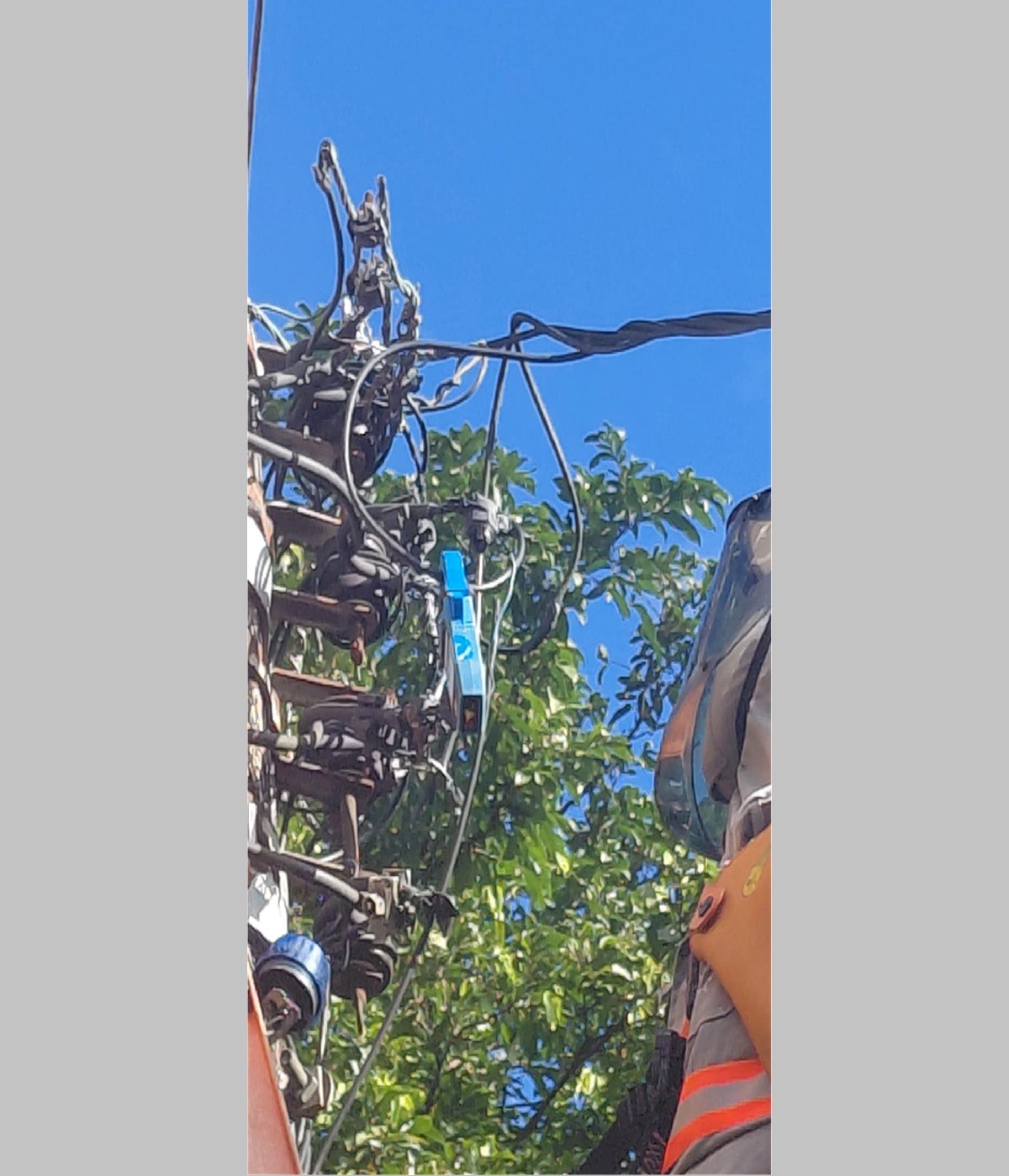
An operation conducted by Enel Rio in conjunction with the Civil Police has uncovered illegal energy connections at a snack bar and a coal storage facility in Petrópolis, located in the Serrana Region of Rio de Janeiro. The enforcement action took place on Tuesday, the 14th. At a snack bar situated at km 94 of the BR-040 highway in Santa Rosa, technicians discovered a cable directly tapped into the distribution network via a pole across the road. This illicit wiring, according to Enel, ran through an underground conduit to the rear of the establishment, clandestinely powering the snack bar, an adjacent residence, and a billboard. In a separate inspection, also along the BR-040, a direct connection was found on one of the distribution network's phases. This irregularity supplied power to a residence and a coal storage facility on the same property. The individuals responsible for these establishments were identified and taken to the 105th Police Precinct (Petrópolis) for registration of the incident. A Term of Occurrence and Inspection (TOI) was also issued to formalize the irregularities. Enel emphasized that energy theft is a crime punishable by one to four years imprisonment under the Penal Code, with penalties potentially rising to eight years if it involves power, telephone, data, or rail/metro lines. Beyond criminal charges, those involved in illegal connections may also be required to pay for the energy consumed and not billed during the period of the irregularity.
This operation highlights the persistent issue of energy theft, often referred to as 'gato' in Brazil, which impacts utility companies and, by extension, paying customers through increased costs and strain on infrastructure. The clandestine connections bypass standard metering, leading to unbilled consumption and potential safety hazards. The collaboration between Enel Rio and the Civil Police demonstrates a proactive approach to enforcement, aiming to curb these illegal activities. From a systemic perspective, such operations address immediate revenue loss and infrastructure integrity but may not resolve the underlying socioeconomic factors that drive energy theft. Future strategies could explore innovative tariff structures or community-based energy management programs to incentivize compliance and ensure equitable access to electricity while maintaining the financial health of the energy distribution network.
AI-generated to prompt reflection — not editorial opinion, not advice, not a statement of fact. How this works.