Energy Theft Operation in Teresópolis Leads to Arrest at Construction Material Store
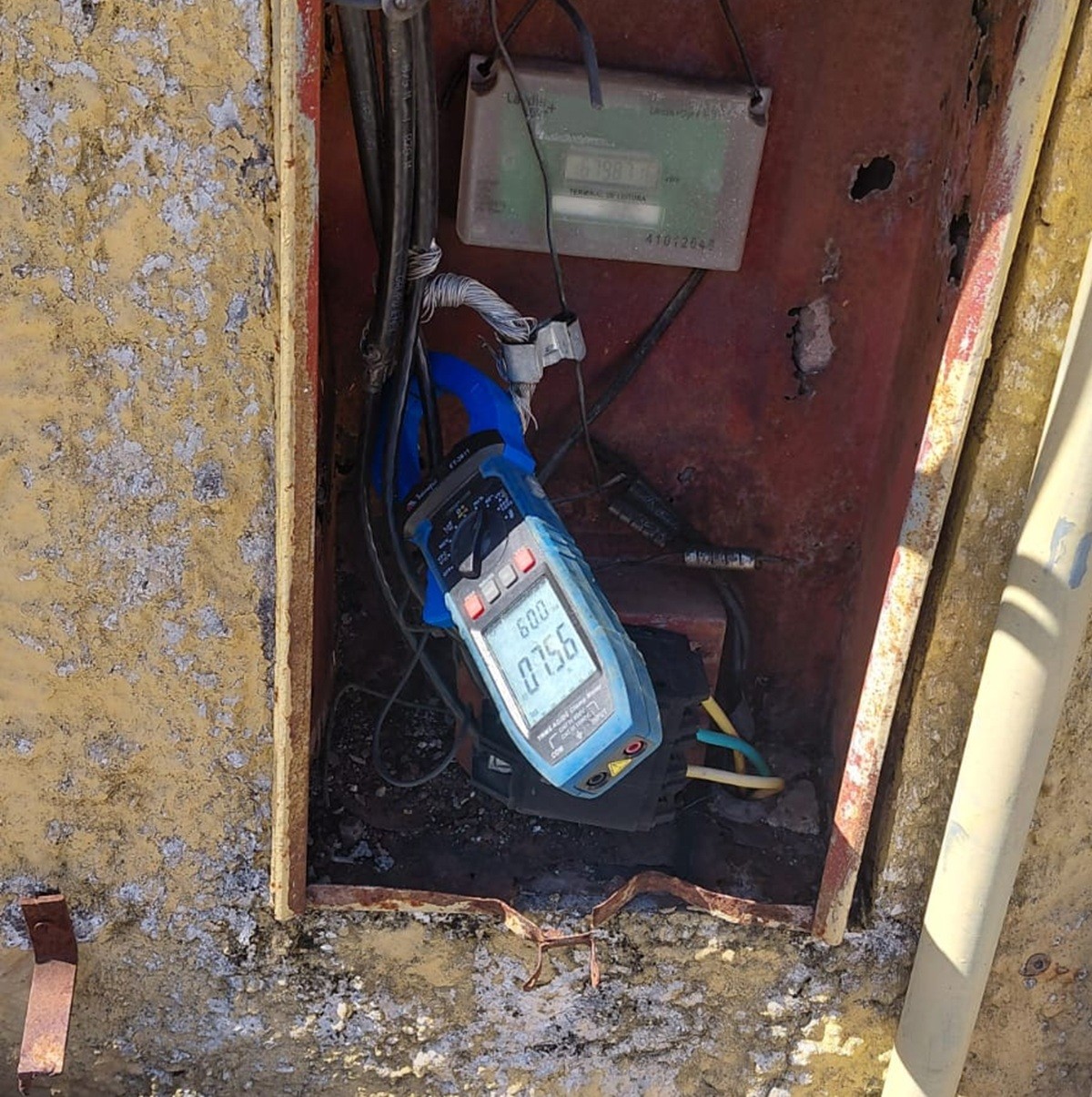
Authorities in Teresópolis, Rio de Janeiro, arrested a man on Tuesday, May 28th, for energy theft at a construction material store located in the São Pedro neighborhood. The operation was a collaborative effort involving the Civil Police, Enel Rio, and Criminal Forensics. Enel technicians discovered an illegal connection at the establishment, which was subsequently confirmed by forensic experts. The store's responsible party was taken to the 110th Police Station and is awaiting legal proceedings. In a separate but related incident on the same day, a joint operation between Enel and the Civil Police uncovered another irregularity at a store on Calçada da Fama in downtown Teresópolis; this case is currently under investigation. Energy theft is a criminal offense in Brazil, punishable by one to four years in prison, with penalties potentially reaching eight years for more severe cases involving critical infrastructure. Beyond criminal charges, offenders may be required to compensate for the unbilled energy consumption. Enel warns that illegal connections can destabilize the electrical grid, causing short circuits and power outages. Teresópolis recorded a 3.75% rate of non-technical losses in 2025, primarily due to irregular connections and consumption fraud. Enel conducted over 250,000 inspections across its service area in 2025, leading to 207 police reports and 112 arrests.
This operation highlights the ongoing challenge of energy theft, a crime that impacts not only utility companies but also consumers through increased operational costs and potential service disruptions. The collaboration between law enforcement and the energy provider demonstrates a structured approach to combating these illicit activities. From a systemic perspective, the high rate of non-technical losses in Teresópolis suggests a need for continuous investment in grid modernization and consumer education regarding the legal and safety ramifications of energy theft. Looking ahead, advancements in smart grid technology and data analytics could offer more sophisticated methods for detecting and preventing such irregularities, thereby improving grid reliability and fairness in cost distribution.
AI-generated to prompt reflection — not editorial opinion, not advice, not a statement of fact. How this works.