Energy Theft Reports Surge 69% in Mato Grosso, Highlighting Public's Role
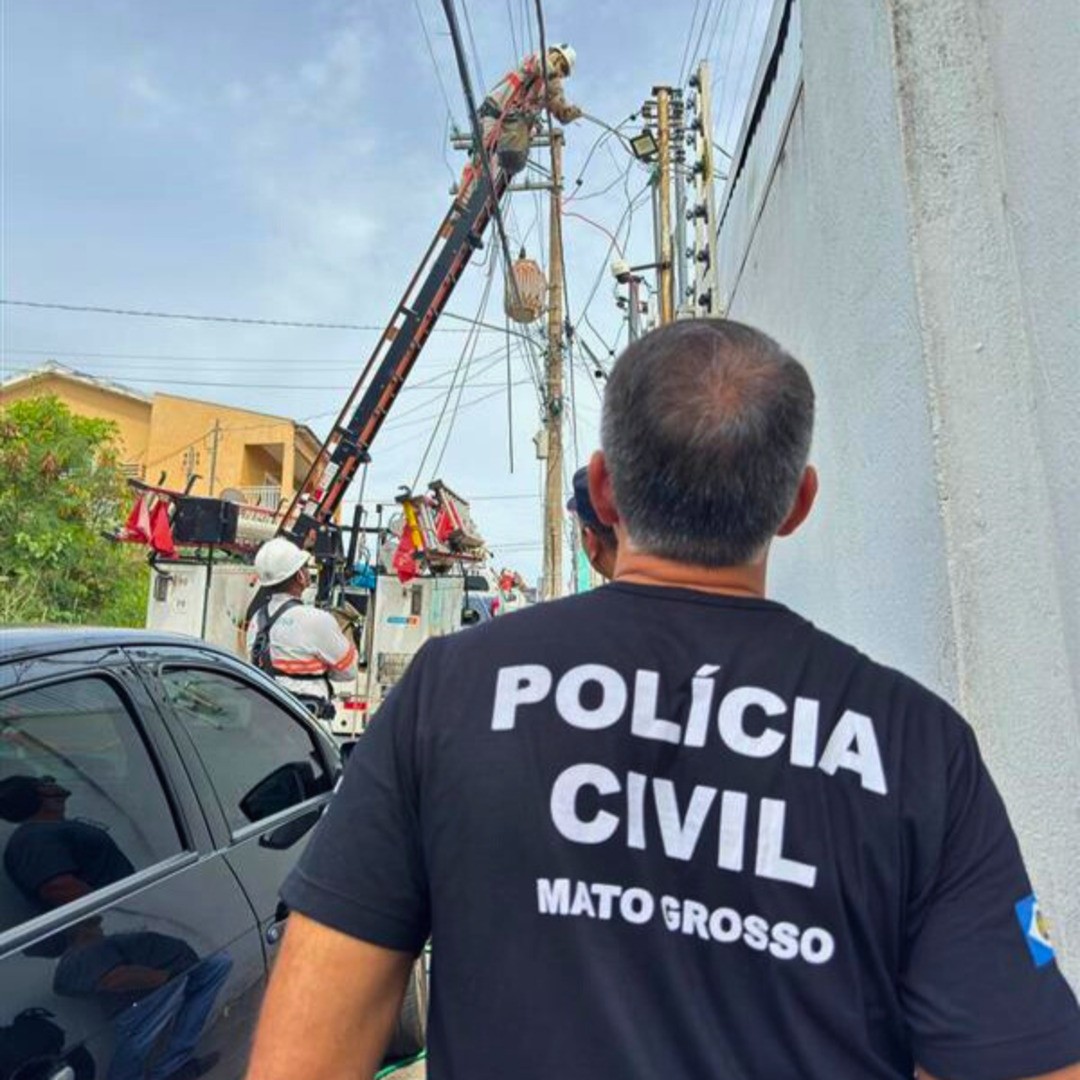
Reports of energy theft in Mato Grosso, Brazil, have significantly increased, with a 69% rise observed in the first five months of 2026 compared to the same period in 2025. During January to May 2026, 149 denunciations of suspected energy theft were recorded by the Integrated Center for Public Safety Operations (Ciosp). This figure is already substantial, representing a large portion of the 216 denunciations received throughout all of 2025. The surge underscores the critical role of public participation in combating clandestine connections and electrical system fraud. Energy theft is a criminal offense in Brazil, punishable by up to four years in prison. Beyond legal repercussions, illegal connections pose severe safety risks, including electric shocks and fires. Luciano Lima, Loss Combat Manager at Energisa Mato Grosso, stated that anonymous tips have been instrumental in guiding inspections and operations conducted jointly by the utility company and public security forces. These intensified efforts have led to inspections, penalties, and arrests across various regions of Mato Grosso. The crime not only endangers lives but also degrades the quality of electricity supply, potentially causing grid overloads, voltage fluctuations, and service interruptions for legitimate customers. Energisa emphasizes that information provided by the public is handled with strict confidentiality and helps target irregular sites more effectively. Citizens are encouraged to report suspicious activities through official channels, as these reports enhance the efficiency of anti-theft operations. Denunciations can be made anonymously via Energisa's customer service channels or through public security agencies by calling 190, 181, or 197.
The significant increase in energy theft reports in Mato Grosso highlights a growing awareness and willingness of the public to engage with utility companies and law enforcement in addressing energy fraud. This trend suggests that public reporting mechanisms are becoming more effective and trusted, potentially driven by increased communication from Energisa and public safety bodies about the risks and consequences of energy theft. The data indicates a positive feedback loop where citizen participation directly informs and enhances enforcement actions. Looking ahead, sustained public engagement, coupled with transparent and efficient response from authorities and the utility, will be crucial for long-term reduction of energy theft. Future strategies could explore leveraging technology for anonymous reporting and real-time data analysis to further optimize inspection and intervention efforts, thereby improving grid stability and ensuring equitable energy distribution.
AI-generated to prompt reflection — not editorial opinion, not advice, not a statement of fact. How this works.