Energy Theft Uncovered: Luxury Condo Resident Arrested, Clinic Owner Flees in Porto Velho
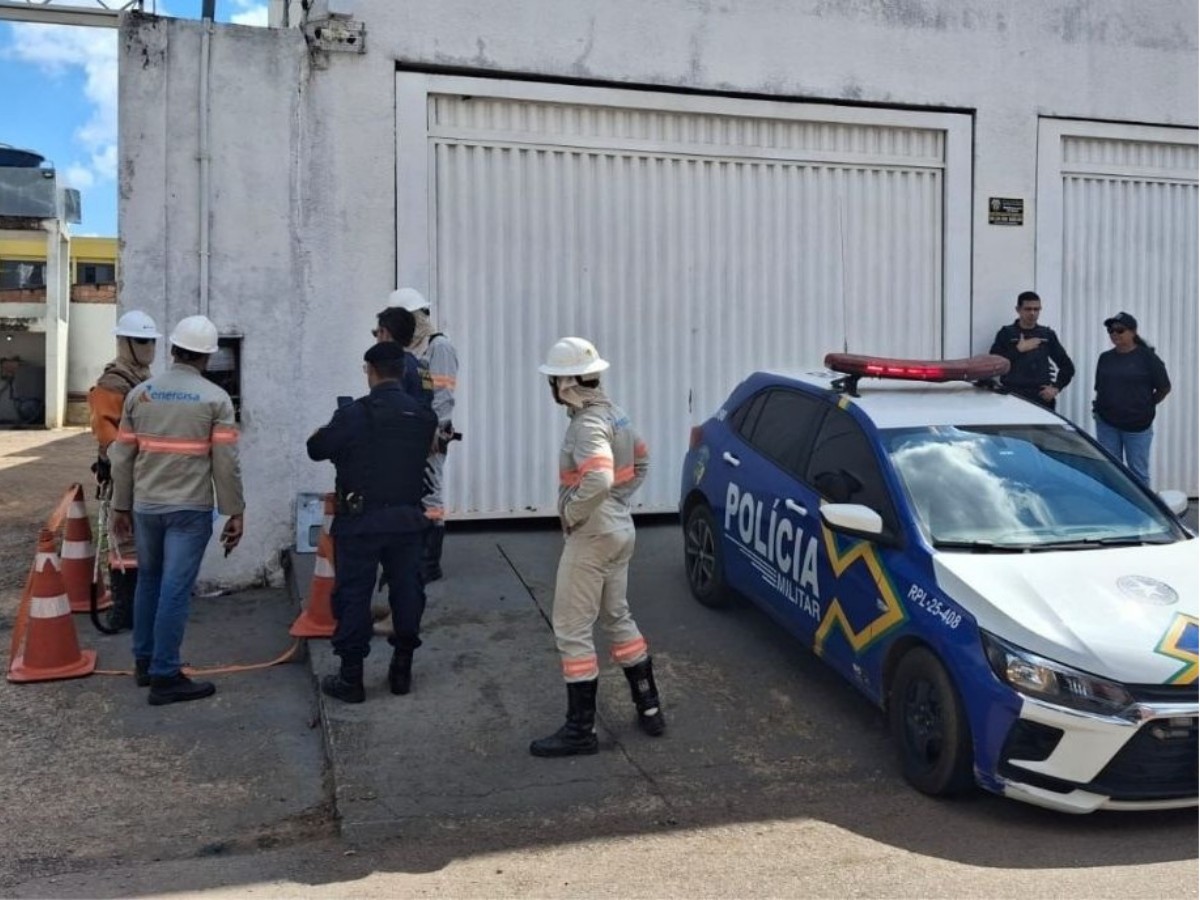
Authorities in Porto Velho, Rondônia, have uncovered two instances of energy theft within a 24-hour period. The first incident occurred in a high-end condominium in the city's South Zone, where a resident was apprehended on-site and taken to the Central Arrest Facility. The second case involved an odontological clinic in the Central region, whose owner evaded capture and remains at large. Technical-scientific police confirmed the energy fraud at both locations before military police were called to the scenes. The names of the specific condominium and clinic were not disclosed. Energy theft, commonly known as "gato," is a criminal offense under Article 155 of the Penal Code, punishable by up to eight years in prison and a fine. Daniel Andrade, Energisa Rondônia's loss manager, highlighted the significant risks associated with these fraudulent practices, including financial losses for the energy company, potential electrical fires, system overloads, electric shocks, and a decline in the quality of energy supply for the entire community. Energisa Rondônia has announced plans to increase its surveillance efforts across the state. Anonymous tips regarding energy theft can be reported to the Military Police at 190 or Energisa at 0800 647 0120.
The detection of energy theft in both a luxury condominium and a professional clinic highlights systemic vulnerabilities in utility infrastructure and enforcement. While the immediate response involves legal penalties for individuals, the underlying issue points to the broader challenge of ensuring equitable energy distribution and preventing illicit consumption that burdens legitimate customers and compromises public safety. The energy company's commitment to increased fiscalization suggests a reactive strategy; however, a forward-looking approach might explore technological solutions for real-time anomaly detection or community-based incentive programs to discourage theft. The disparity in outcomes—one arrest versus one fugitive—may reflect varying levels of preparedness and cooperation, underscoring the need for consistent application of regulatory oversight across all socio-economic strata to maintain grid integrity and public trust in the coming decade.
AI-generated to prompt reflection — not editorial opinion, not advice, not a statement of fact. How this works.