Engagement with Myanmar Junta Risky Without Proof of Life for Aung San Suu Kyi
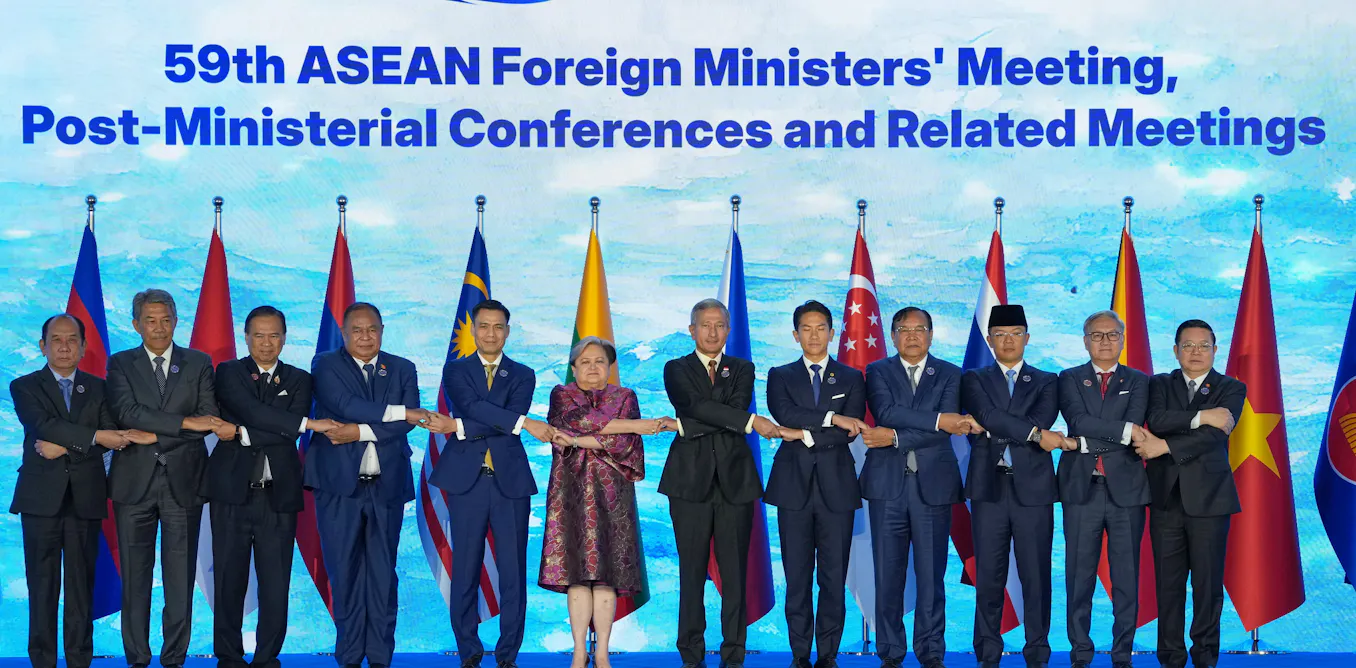
Southeast Asian leaders are advocating for direct diplomacy with Myanmar as the sole path to resolving the ongoing five-year civil war. However, this approach faces significant skepticism from opponents of the ruling military regime. A key point of contention is the safety and well-being of Aung San Suu Kyi, a prominent political figure. Critics argue that engaging with the junta without verifiable proof of her life is fraught with peril. They fear that such engagement could legitimize the regime without addressing fundamental human rights concerns or securing the release of political prisoners. The call for direct talks highlights a divide between pragmatic diplomatic efforts and the demands for democratic reforms and accountability. The effectiveness and ethical implications of engaging with the junta remain a subject of intense debate among international observers and Myanmar's opposition.
The push for direct diplomatic engagement with Myanmar's ruling junta, championed by Southeast Asian leaders, presents a complex geopolitical dilemma. While proponents argue it's the only viable route to peace, the absence of concrete assurances regarding the well-being of key figures like Aung San Suu Kyi raises critical questions about the potential for genuine progress. Engaging without such assurances risks inadvertently validating a regime accused of severe human rights abuses, potentially undermining international efforts towards accountability. This situation highlights a recurring tension between the pursuit of stability through dialogue and the imperative of upholding democratic principles and human rights. Future diplomatic strategies may need to incorporate robust verification mechanisms to ensure that engagement serves to de-escalate conflict and promote lasting peace, rather than merely reinforcing authoritarian control.
AI-generated to prompt reflection — not editorial opinion, not advice, not a statement of fact. How this works.