Engelen Residents Seek Dialogue Amidst Deep Divisions Over Asylum Seeker Housing
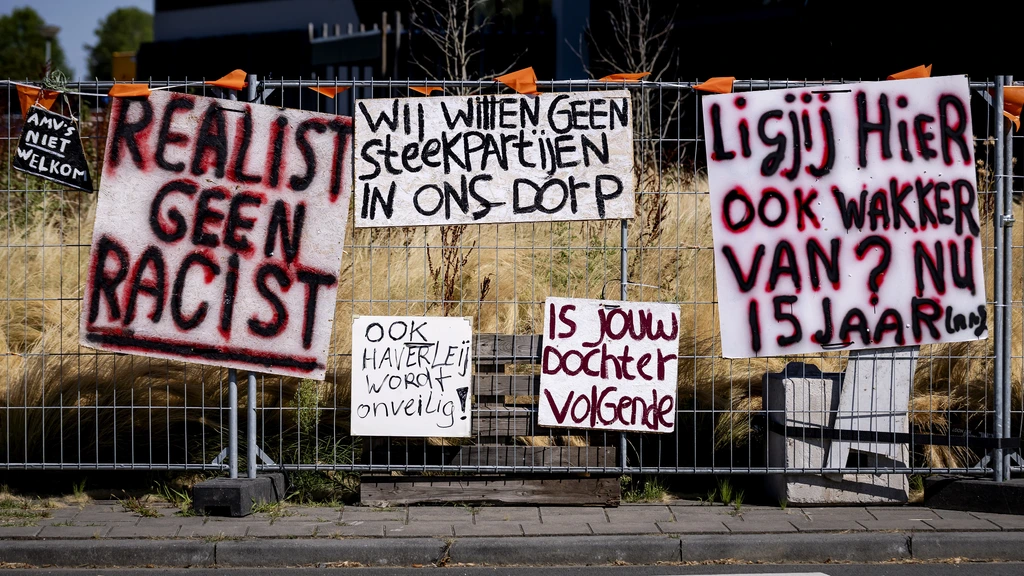
Residents of Engelen, a village in the Dutch province of North Brabant, are grappling with deep divisions following the municipality's announcement in April to house approximately fifty asylum seekers at a former police station. The plan has sparked protests, which culminated in vandalism over the weekend, including graffiti with offensive language and damage to a car. Local resident Peter van der Vlies condemned the vandalism, stating that those responsible for it are creating insecurity in the name of safety. He believes that while people should be able to express their opinions, some residents are attempting to impose their views on others, which is contrary to Dutch values of free speech and discussion.
Tensions have escalated, with an incident involving men attempting to hang protest signs at a school leading to a physical altercation that drew in more residents. Josca Lotens, a father of two, expressed concern that the village is being torn apart and trust is eroding. While he is not entirely opposed to asylum seeker reception, he objects to this specific location due to its proximity to a road frequently used by children and concerns about the integration of asylum seekers in short-term 'process reception locations' (POA) for unaccompanied minors. Another anonymous resident echoed concerns about the daily activities and mobility of the asylum seekers, feeling that the municipality did not adequately inform residents about the POA nature of the facility.
Residents agree that dialogue between proponents and opponents of the asylum seeker housing is necessary, with calls for organization by the municipality of Den Bosch. Lotens also suggested potential intervention from national political figures to assist local authorities. The municipality has announced a livability plan to de-escalate tensions, and residents will have an opportunity to speak at a council meeting on August 24th regarding the reception location. The overarching sentiment is a desire for a peaceful environment and the restoration of village cohesion.
The situation in Engelen highlights the complex interplay between local community concerns, national asylum policies, and the challenges of integrating newcomers. The escalation from policy announcement to vandalism and social fragmentation underscores the critical need for transparent and inclusive communication strategies from municipal authorities. When communities feel uninformed or that their concerns are being overridden, it can breed distrust and lead to polarization. The incident reveals systemic issues in how reception policies are communicated and implemented, potentially failing to adequately address resident anxieties about safety, integration, and community impact. Future approaches could benefit from proactive community engagement frameworks that foster mutual understanding and collaborative problem-solving, rather than reactive measures after tensions have already peaked. The long-term sustainability of such initiatives hinges on building social capital and ensuring that local governance mechanisms are perceived as responsive and equitable by all stakeholders.
AI-generated to prompt reflection — not editorial opinion, not advice, not a statement of fact. How this works.