England and France's Thrilling 6-4 Match Draws Intense Media Scrutiny
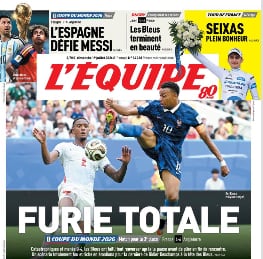
The recent match between England and France, which concluded with a remarkable 6-4 scoreline, has ignited significant commentary from the press in both Paris and England. In Paris, media outlets described the game with terms like "apocalyptic first half" and "insane match," suggesting a chaotic and high-scoring opening period. The French press also alluded to a sense of "regret" regarding the outcome, possibly reflecting on missed opportunities or the final score. Meanwhile, on the English side, the narrative focused on the team displaying "two faces," implying a performance that was perhaps inconsistent or showed distinct contrasting periods. The press highlighted standout individual achievements, including a hat-trick by Bukayo Saka, which significantly contributed to England's victory. Additionally, Kylian Mbappé of France set a new record during the match, though the specifics of this record were not detailed in the provided text. The overall sentiment indicates a dramatic and memorable encounter that captured the attention of sports journalists.
This high-scoring football match, characterized by dramatic shifts and individual brilliance, underscores the inherent volatility within competitive sports. The contrasting media narratives from Paris and England reflect differing perspectives on performance, success, and national pride. From a systemic viewpoint, such intense contests highlight the pressures on athletes and the complex interplay of strategy, execution, and chance. Looking ahead, the increasing integration of data analytics and sports science may offer more predictable performance models, yet the unpredictable nature of human endeavor ensures that moments of unexpected brilliance and dramatic reversals will continue to define the spectator experience. This event serves as a reminder of the enduring appeal of sports, driven by both collective effort and individual heroics.
AI-generated to prompt reflection — not editorial opinion, not advice, not a statement of fact. How this works.