England and Wales Face Driest July in 190 Years
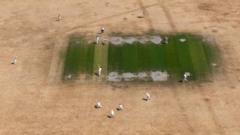
England and Wales are on track to experience the driest July since meteorological records began 190 years ago. Data from the Met Office suggests that current conditions point towards this historic low in precipitation for the period. This marks a significant deviation from typical July weather patterns observed over nearly two centuries. The implications of such prolonged dryness could be far-reaching, impacting various sectors of the economy and environment. Further analysis will be needed to understand the full scope of the consequences. The Met Office's historical data provides a crucial benchmark for assessing the severity of this current dry spell. This event underscores the importance of long-term climate monitoring and understanding weather extremes. The potential for record-breaking dryness highlights ongoing climate trends and their observable effects.
The potential for a record-breaking dry July in England and Wales, as indicated by Met Office data, warrants examination of meteorological trends and their systemic impacts. Such an event, occurring within a 190-year record, may reflect broader shifts in precipitation patterns, potentially influenced by climate change. Evaluating the agricultural, water management, and ecological consequences is crucial for future resilience. Understanding the interplay between atmospheric conditions and regional dryness can inform policy decisions regarding resource allocation and environmental protection. This situation prompts consideration of adaptive strategies to mitigate the effects of extreme weather events in the coming decade.
AI-generated to prompt reflection — not editorial opinion, not advice, not a statement of fact. How this works.