England's 60-Year World Cup Drought: Hope Rises with Talented Generation
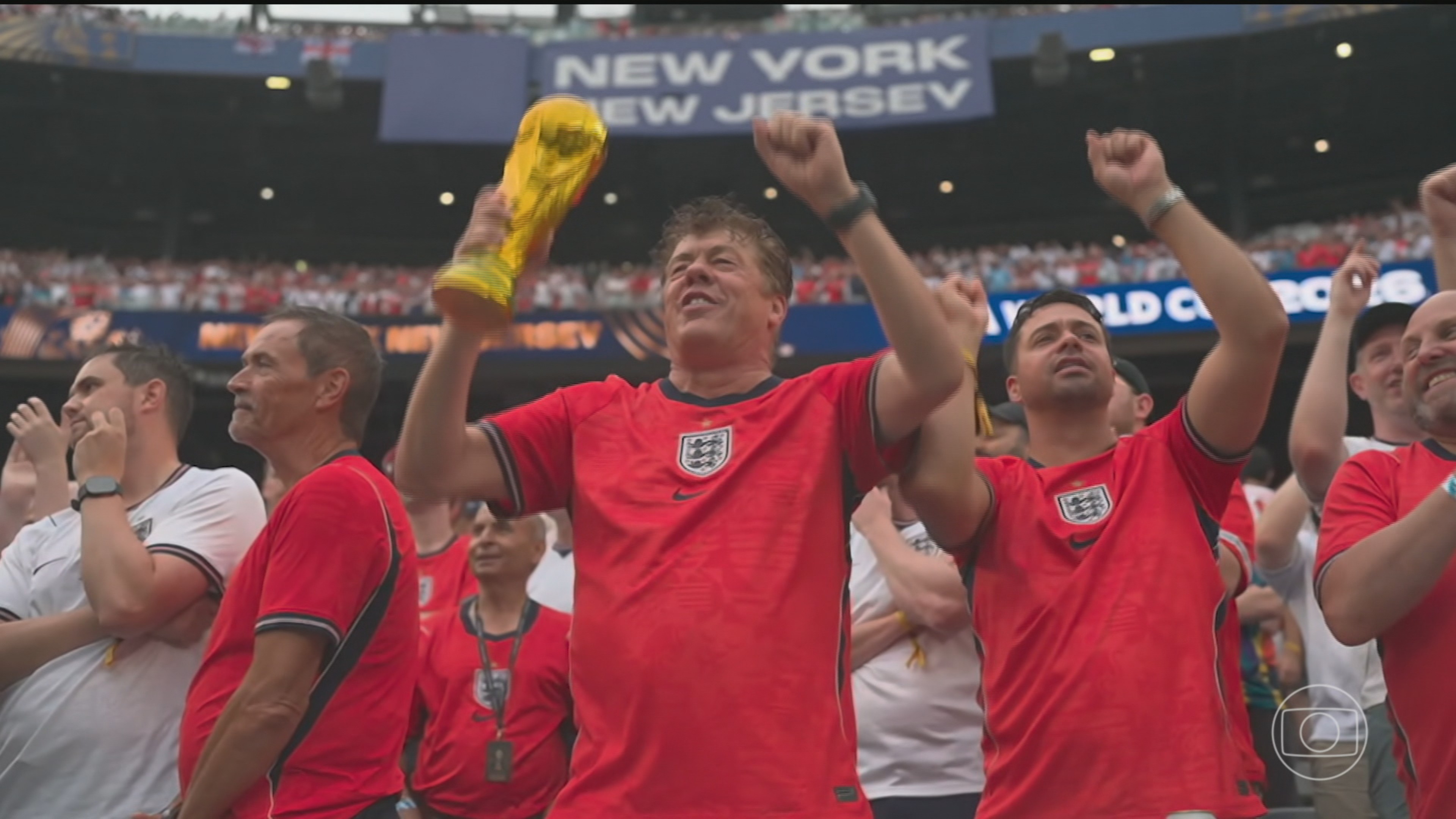
England, the birthplace of football, has endured a 60-year wait to win the World Cup since their sole victory in 1966. Despite this long drought, the current generation of players has instilled significant hope among fans, who believe this streak is nearing its end. The team's recent performance, including reaching the finals of the last two European Championships and consistently progressing in World Cups (semifinal, quarter-final, and another semifinal), suggests they are poised for a breakthrough. Captain Harry Kane reflected on the team's growth, noting that the squad, once young and inexperienced in 2018, is now better prepared for high-stakes matches. Among the semifinalists, England holds the longest World Cup title drought, significantly longer than Argentina (current champions), France (eight years), and Spain (16 years). Coach Thomas Tuchel, in his less than two years leading the team, has grasped the significance of English anticipation for a World Cup title. During a discussion, commentator Denílson highlighted the potential physical and emotional factors that could influence a match between England and Argentina, emphasizing the importance of collective play and individual brilliance from players like Bellingham, Kane, and Messi. He also praised Argentina's coach, Lionel Scaloni, for his empathetic leadership and ability to foster team cohesion around Lionel Messi while maintaining the team's characteristic fighting spirit.
The narrative surrounding England's 60-year World Cup drought highlights a persistent tension between historical legacy and present performance. While the team's recent consistent deep runs in major tournaments demonstrate a structural improvement in player development and coaching, the psychological weight of past failures remains a significant factor. The analysis of potential physical and emotional elements in crucial matches underscores the complex interplay of individual talent, team dynamics, and mental fortitude required to overcome such a prolonged period of underachievement. Future success will likely depend on the team's ability to manage these pressures, leverage their current talent pool, and perhaps redefine their approach to capitalize on the evolving global football landscape, rather than solely relying on historical precedent or national expectation.
AI-generated to prompt reflection — not editorial opinion, not advice, not a statement of fact. How this works.