England to Ban Energy Drink Sales to Under-16s Starting April Next Year
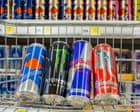
England will implement a ban on the sale of high-caffeine energy drinks to individuals under the age of 16, beginning in April of the upcoming year. This legislative action is aimed at improving health outcomes for young people. The government reports that approximately 100,000 children in England consume these beverages daily. Data indicates that children from more deprived areas and households are more likely to be regular consumers of energy drinks. This ban signifies a governmental effort to address concerns surrounding the high caffeine content and potential health impacts on minors. The new laws are intended to restrict access to products deemed unsuitable for children's consumption.
This policy shift reflects a growing global concern regarding the health impacts of high-caffeine products on developing adolescents. The ban targets a specific demographic, acknowledging that consumption patterns can be influenced by socioeconomic factors, with a disproportionate impact on children in deprived areas. From a public health perspective, the intervention aims to mitigate potential risks associated with excessive caffeine intake, such as sleep disturbances, anxiety, and poor dietary choices. Looking ahead, this measure may prompt further regulatory discussions on other consumer products marketed towards youth, particularly in light of evolving understandings of adolescent health and the pervasive influence of digital marketing. The effectiveness of the ban will depend on robust enforcement and potential shifts in consumer behavior or product alternatives.
AI-generated to prompt reflection — not editorial opinion, not advice, not a statement of fact. How this works.