Environmental Group Criticizes Municipalities' Wildflower Meadow Strategy for Insects
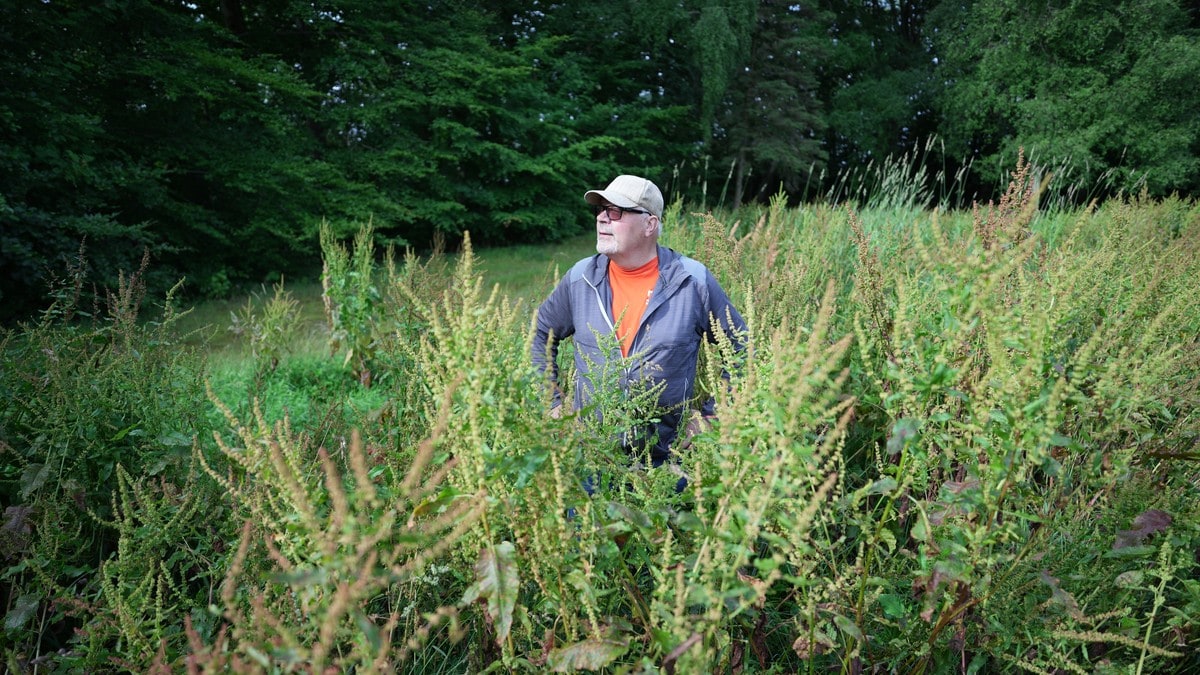
Norway's municipalities are allowing thousands of public lawns to grow freely in an effort to support endangered insects. This initiative aims to create habitats for threatened insect populations by transforming traditional, manicured lawns into more natural wildflower meadows. However, the Norwegian Society for Nature Conservation (Naturvernforbundet) has voiced strong criticism, questioning the effectiveness and execution of this strategy. They argue that the current approach is not achieving its intended conservation goals. The environmental group specifically questions whether the designated areas truly resemble the diverse ecosystems needed to support a wide range of insect species. This disagreement highlights a debate over the best methods for urban biodiversity conservation and insect protection.
Municipalities' initiative to foster biodiversity by allowing public lawns to grow wild presents a common tension between urban land management and ecological goals. While the intention to support endangered insects is laudable, the criticism suggests a potential disconnect between policy implementation and desired outcomes. This situation underscores the importance of scientific validation and adaptive management in conservation efforts. Future strategies may benefit from more precise ecological criteria, community engagement, and transparent monitoring to ensure that interventions effectively contribute to biodiversity targets, rather than merely altering landscape aesthetics. The long-term success hinges on understanding the specific habitat requirements of local insect populations and tailoring interventions accordingly.
AI-generated to prompt reflection — not editorial opinion, not advice, not a statement of fact. How this works.