Environmental Inspection at Sabiá Park in Uberlândia Amid Contamination Allegations
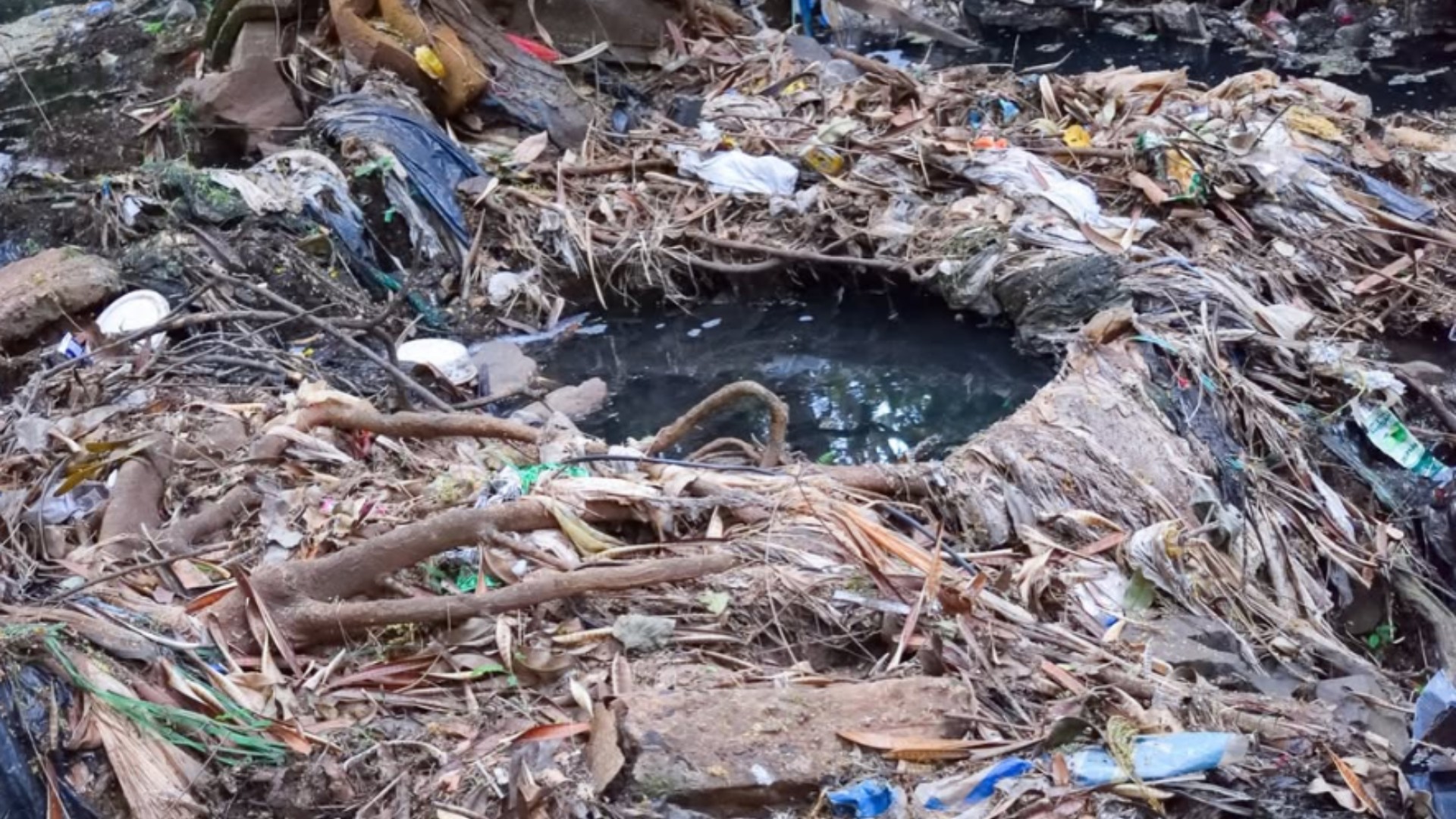
Environmental inspectors from the State Secretariat of Environment and Sustainable Development (Semad) conducted a technical inspection at Sabiá Park in Uberlândia on Thursday, October 2nd. The inspection aimed to verify ongoing sewage discharge into the park's waterways. This action follows a notification from the Municipal Department of Water and Sewage (Dmae) stating that structural repairs and cleaning to address the issue have been completed. The Dmae indicated that the leak was a localized event in a network approximately two kilometers from the park. The findings from Semad's inspection will be submitted to the Public Prosecutor's Office as part of the ongoing investigation. The case, initiated in February, was prompted by a complaint from councilwoman Amanda Gondim and supported by a report from biologist Ana Lúcia Bonfim. Images revealed accumulated waste and vegetation near a storm drain pipe within the protected area, leading to the removal of debris by the Municipal Secretariat of Environment. Biologist Ana Bonfim's technical report, finalized in May, detailed a potential two-decade-long issue stemming from the installation of pipes intended only for rainwater. The report identified high levels of organic matter (DBO), significant E. coli concentration indicating sewage contamination, and near-zero dissolved oxygen, rendering the aquatic environment unsustainable. It also cited continuous environmental degradation, including silting, erosion, loss of riparian vegetation, exposed tree roots, accumulated waste, and the decline of buriti palms, an indicator species. The Public Prosecutor's Office confirmed the investigation is active and will incorporate Semad's findings. Edson Zanatta, director of Futel (responsible for park administration), stated that while occasional leaks occur, they do not cause contamination, and water analyses are regularly performed. Dmae previously reported correcting cross-connections between sewage and drainage systems in March, which had caused improper sewage discharge into the park's reservoir, and subsequently cleaned the area.
This situation highlights a critical challenge in environmental governance: ensuring accountability and timely remediation for pollution events, especially when complex infrastructure and historical issues are involved. The repeated inspections and reports suggest a systemic problem rather than isolated incidents, potentially stemming from inadequate urban planning or enforcement of environmental regulations over an extended period. The involvement of multiple agencies—Semad, Dmae, Futel, and the Public Prosecutor's Office—underscores the need for coordinated monitoring and rapid response mechanisms. Future efforts should focus on improving the integration of data from various monitoring bodies and establishing clearer protocols for addressing persistent environmental degradation, particularly in ecologically sensitive areas like public parks. The long-term sustainability of such vital green spaces hinges on proactive infrastructure management and robust oversight that anticipates and prevents contamination before it reaches critical ecological thresholds.
AI-generated to prompt reflection — not editorial opinion, not advice, not a statement of fact. How this works.