Epigenetic Editing Technology Shows Promising Early Results
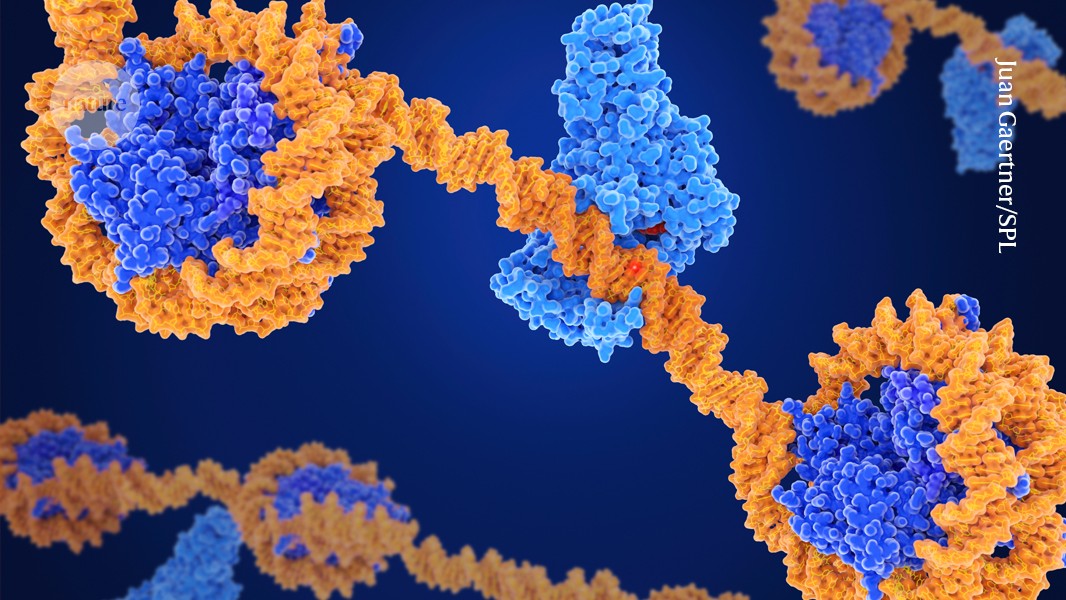
Epigenetic editing, a novel technology, is beginning to demonstrate its potential impact. This innovative approach focuses on altering gene expression without changing the underlying DNA sequence. Early research and development indicate that epigenetic editing could offer new therapeutic avenues for a range of conditions. The technology works by modifying chemical tags on DNA or associated proteins, which control whether genes are turned on or off. This precise control allows for the fine-tuning of cellular functions. Scientists are exploring its application in treating genetic disorders, cancers, and other diseases where gene expression plays a critical role. While still in its nascent stages, the field is advancing rapidly, with significant investment and research efforts underway globally. The promise of epigenetic editing lies in its potential for targeted and reversible modifications, offering a potentially safer alternative to traditional gene editing methods. Further studies are needed to fully understand its long-term effects and clinical efficacy.
Epigenetic editing represents a significant advancement in biotechnology, offering a nuanced approach to gene regulation. By targeting gene expression rather than the DNA sequence itself, this technology could unlock new therapeutic strategies with potentially fewer off-target effects than conventional gene editing. The ability to reversibly modify epigenetic marks presents an intriguing possibility for dynamic disease management. As this field matures, the focus will likely shift towards rigorous clinical validation, exploring the long-term safety profile, and developing robust delivery mechanisms. The ethical considerations surrounding precise control over gene expression will also warrant careful examination as the technology moves closer to widespread application.
AI-generated to prompt reflection — not editorial opinion, not advice, not a statement of fact. How this works.