EPR Vias do Café Tolls Increase Starting Sunday; New Tariffs Detailed
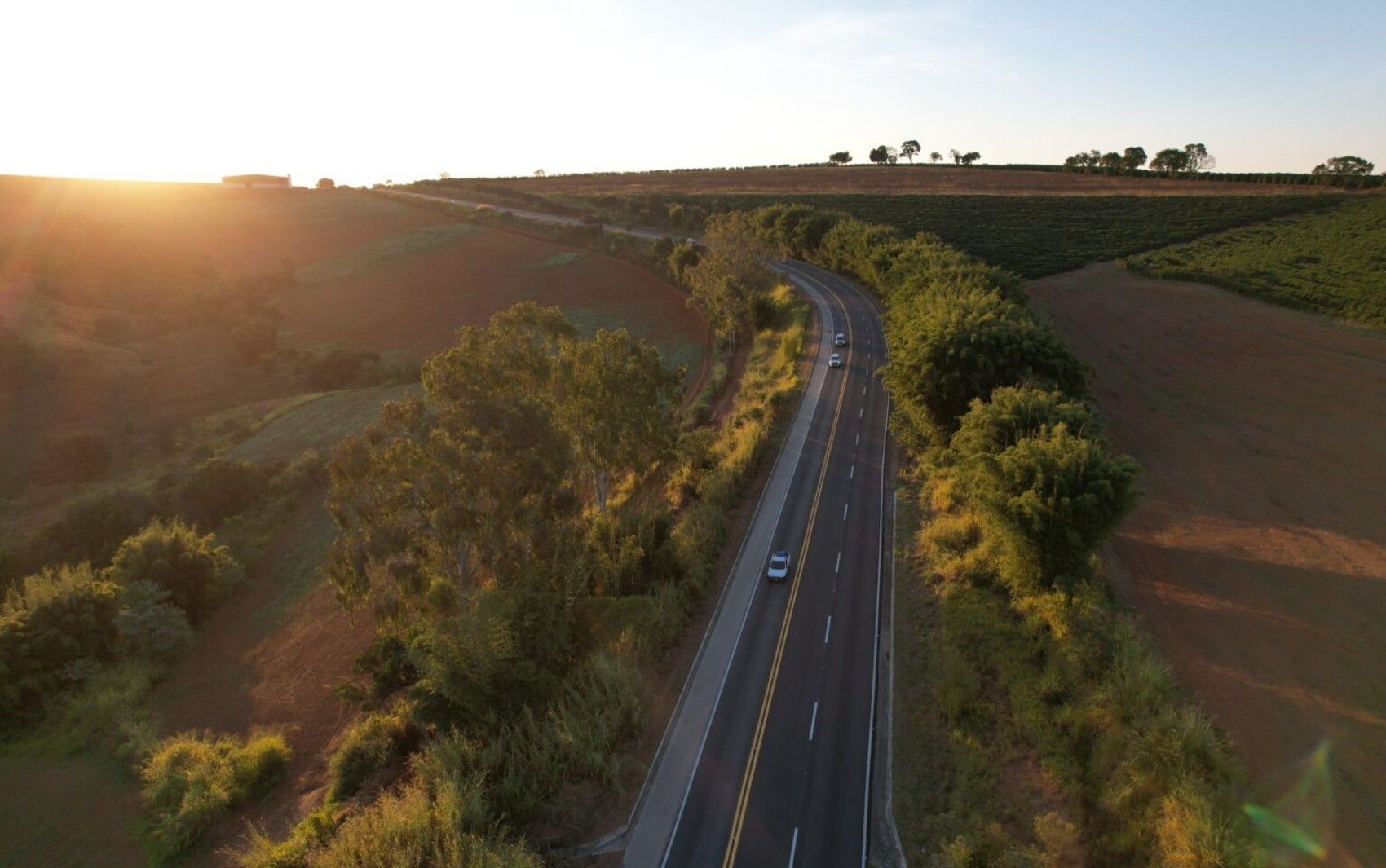
Toll prices on highways managed by EPR Vias do Café in the South of Minas Gerais, Brazil, will rise starting Sunday, February 26th. This annual tariff adjustment, authorized by the Minas Gerais State Transport Regulatory Agency (ARTEMIG) and published in the Official State Gazette, will increase the toll for passenger vehicles from R$ 15 to R$ 15.80, a 5.3% hike. The concessionaire states that this adjustment aligns with the concession contract, factoring in inflation over the past 12 months. EPR Vias do Café oversees 432.8 kilometers of highways in the region, with collected funds designated for road maintenance, 24-hour medical and mechanical assistance, and infrastructure improvements. Frequent users with electronic tags can benefit from the Frequent User Discount (DUF), which can reduce tolls by up to 92% based on usage within the same month and direction. Additionally, 24-hour free assistance is available via phone for monitoring, mechanical, and pre-hospital services. Since the concession began in July 2024, EPR has invested approximately R$ 1.1 billion in revitalizing, conserving, and modernizing its roadways. These investments include improvements on the MGC-491, LED lighting at junctions, drainage work, and the installation of the region's first intelligent crossing in Varginha. Future projects under consideration include the Varginha Bypass and partial duplication of the Avenida do Contorno.
The toll increase by EPR Vias do Café reflects a standard mechanism for concessionaires to recoup operational costs and account for inflation, as stipulated in their contracts. While the adjustment is presented as a direct consequence of contractual obligations and inflation, it impacts road users who rely on these routes for commerce and daily travel. The concessionaire highlights significant investments made since July 2024, framing these as justifications for the increased tariffs and essential for maintaining and improving infrastructure. The availability of discounts for frequent users and 24-hour assistance services aims to mitigate some of the user burden. Future infrastructure projects, such as bypasses and duplications, suggest a long-term development strategy, though their direct benefit and timeline relative to user costs will be critical for public perception and economic impact assessment.
AI-generated to prompt reflection — not editorial opinion, not advice, not a statement of fact. How this works.