EPTV Series 'Dona Penha' Marks 20 Years of Brazil's Landmark Law Against Violence
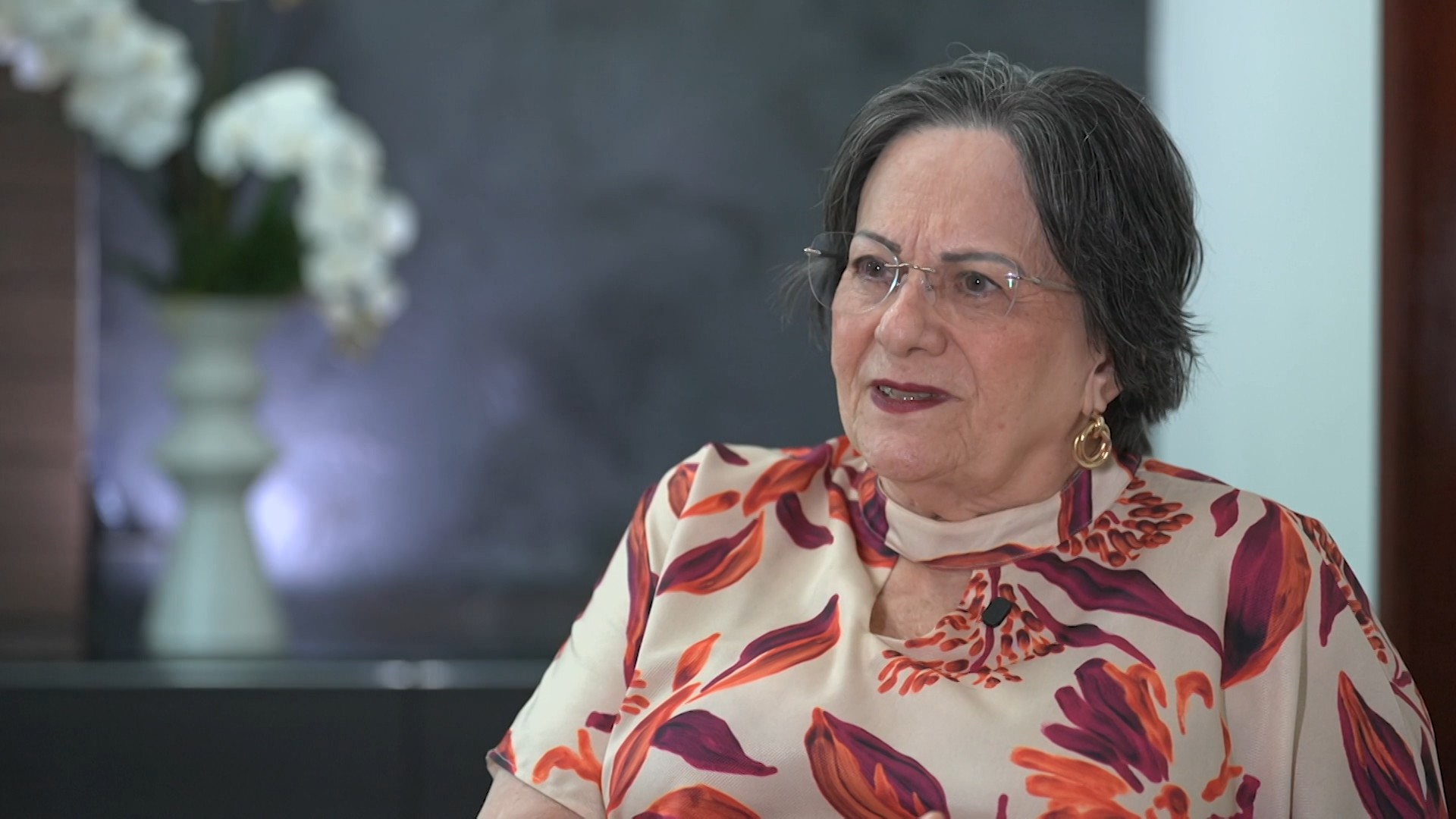
EPTV, a TV Globo affiliate, is launching a special 10-episode series titled 'Dona Penha' to commemorate the 20th anniversary of the Maria da Penha Law. The series, airing from August 3rd to August 14th, will explore the life and struggle of Maria da Penha Maia Fernandes, whose resilience in the face of domestic violence inspired this crucial legislation. The law, officially named after her in 2025, was enacted in 2006, 23 years after she survived two attempted femicides by her then-husband. Her case highlighted nearly two decades of impunity before gaining international recognition, transforming her personal pain into a catalyst for collective action. The series will also feature stories of other female survivors from the São Carlos and Araraquara regions, addressing femicide, women's rights, and the pursuit of justice. Maria da Penha, who became paraplegic after the attacks, reported Brazil to the Organization of American States (OAS) for failing to protect women, leading to international pressure and the law's creation. Considered one of the world's most advanced legal frameworks for women's protection, the Maria da Penha Law expanded the definition of domestic violence, introduced emergency protective measures, and established public policies for prevention. The legislation was unanimously approved by the National Congress, signifying a major shift in how domestic violence is addressed in Brazil, moving from a private matter to a recognized issue of public concern and gender-based violence.
The 'Dona Penha' series highlights a significant legislative achievement in Brazil, born from a personal tragedy and sustained by persistent advocacy. The narrative underscores the critical role of international human rights mechanisms in prompting domestic legal reform when national systems fail. This event serves as a powerful case study on how individual experiences, when amplified through legal and social channels, can catalyze systemic change. Looking ahead, the enduring challenge lies in the effective implementation and enforcement of such laws, ensuring that legal protections translate into tangible safety and justice for all women, particularly in a society still grappling with deep-seated gender inequalities and the pervasive issue of violence. The series' focus on regional stories also points to the importance of decentralized efforts in combating domestic violence.
AI-generated to prompt reflection — not editorial opinion, not advice, not a statement of fact. How this works.
