Erdogan Gifts NATO Leaders Firearms; Jetten Leaves His in Turkey
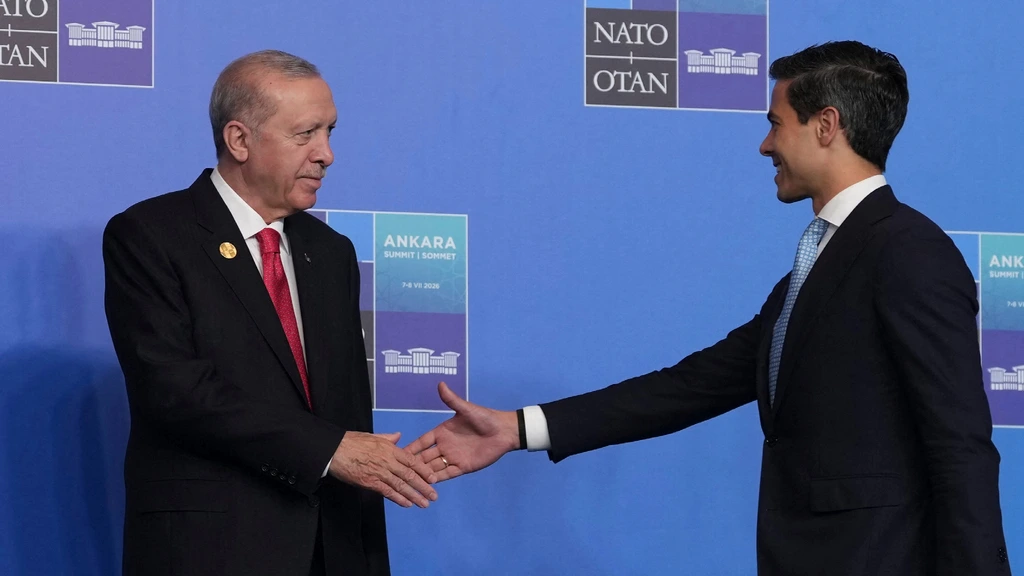
Turkish President Recep Tayyip Erdoğan presented NATO leaders with a unique gift following a summit in Turkey: a firearm complete with six live rounds and a cleaning kit. This gesture created additional logistical challenges for security personnel and embassy staff. For instance, British Prime Minister Keir Starmer was not permitted to take his gifted weapon home due to the United Kingdom's strict firearms legislation, despite Erdoğan's accompanying note granting export permission. The firearm was consequently left at the embassy in Ankara. Similarly, Dutch Prime Minister Mark Rutte (identified as Jetten in the original text, but corrected to Rutte for accuracy based on typical NATO summit attendees) also left his personalized firearm, engraved with his name, in Turkey, where it will be rendered inoperable. The Prime Minister's office confirmed he accepted the gift as is customary for official presents. Canadian Prime Minister John Carney handed his firearm over to the police for deactivation, with plans to find a suitable future destination, possibly a museum, while the ammunition was left behind in Turkey. Belgian Prime Minister Alexander De Croo discovered his gift upon returning home, and after learning of other leaders' presents, opened his at Melsbroek military airport. His firearm is now secured in an aviation police weapons vault pending a decision on its future. European Union leaders Ursula von der Leyen and António Costa also received revolvers. Costa's security team is managing the weapon, and they will adhere to Belgian law to transport it to Brussels. Von der Leyen has yet to disclose her plans for the firearm. NATO Secretary-General Jens Stoltenberg's office has not yet confirmed if he received a revolver or his intentions for it.
The distribution of firearms as official gifts by President Erdoğan to NATO leaders presents a complex geopolitical and diplomatic scenario. From a systemic perspective, such a gift blurs the lines between state diplomacy and potentially personal or symbolic gestures, raising questions about protocol and the appropriateness of such items in international relations, especially given varying national regulations on firearms. The varied responses from leaders—leaving weapons in-country, surrendering them to authorities, or seeking legal avenues for transport—highlight the challenges of navigating diverse legal frameworks and security protocols. This event underscores the evolving nature of diplomatic signaling and the potential for unintended consequences when cultural norms or personal interpretations of gift-giving intersect with strict international security and legal standards. The future implications may involve clearer guidelines on acceptable diplomatic gifts to prevent future logistical or symbolic complications within alliances.
AI-generated to prompt reflection — not editorial opinion, not advice, not a statement of fact. How this works.