Eritrea: 80% of population offline, communication relies on handwritten letters
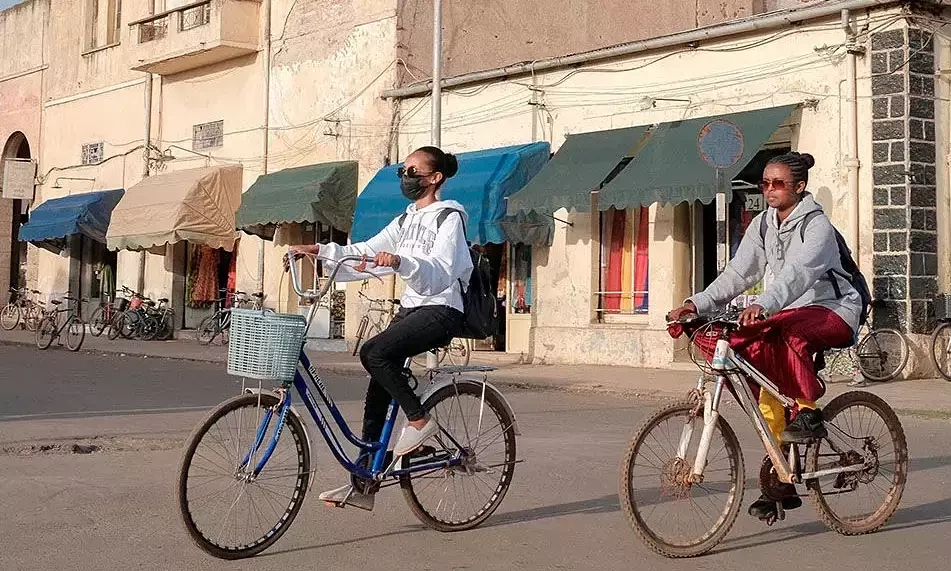
In Eritrea, an East African nation, communication largely relies on handwritten letters, reflecting a technological landscape reminiscent of the 1990s. Approximately 80% of the population does not have access to the internet. Only about 20% of Eritreans have the means to access internet services. This limited connectivity means that traditional methods of communication remain prevalent for the majority of the country's residents. The situation highlights a significant digital divide within the nation. Information exchange is primarily conducted through physical mail, underscoring the slow pace of digital adoption. This reliance on older communication methods persists in a country where internet access is a luxury for a small fraction of the population.
The limited internet penetration in Eritrea, with 80% of the population offline, suggests a significant infrastructure or economic barrier to digital access. This reliance on traditional communication methods like handwritten letters points to potential challenges in information dissemination, economic development, and civic engagement in the digital age. Future technological integration will likely depend on addressing these fundamental access issues, potentially requiring substantial investment in infrastructure and digital literacy programs. The long-term implications for Eritrea's integration into the global digital economy and its citizens' access to information and opportunities remain significant considerations.
AI-generated to prompt reflection — not editorial opinion, not advice, not a statement of fact. How this works.