Erling Haaland's Stuffed Raccoon: Legalities of Buying Taxidermied Animals
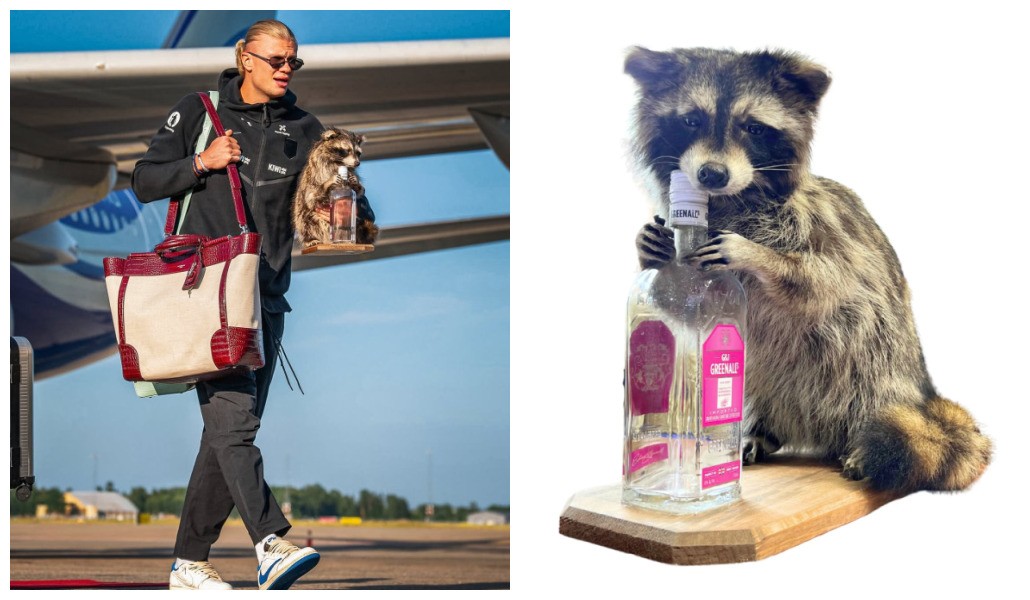
Norwegian footballer Erling Haaland drew attention upon returning home from the World Cup not for his team's performance, but for a stuffed raccoon souvenir he purchased in Dallas, Texas. The item, costing approximately R$ 3,800 (US$750), was bought from a store specializing in Old West memorabilia and is currently sold out. In Texas, the taxidermy and sale of animals like raccoons are permitted, provided the seller holds a license. This is because raccoons are not classified as game animals, and their treated pelts do not fall under wildlife laws in the state. However, importing such items into Norway requires customs declaration and adherence to sanitary regulations, especially for non-EU products. Protected species have stricter import rules, and lack of a license can make importation illegal even for decorative pieces.
Brazilian legislation on taxidermy is less direct than in the US, focusing instead on the possession, sale, transport, and use of wild and exotic fauna. Federal law prohibits the hunting or capture of wild fauna without authorization and bans the trade of wildlife specimens and products derived from them, with legal exceptions. Importing taxidermied animals into Brazil requires prior authorization from the Ministry of Agriculture and Livestock (MAPA), compliance with Brazilian sanitary requirements, and proof that the items are free from infestations. Travelers must declare these products at customs and report to International Agribusiness Surveillance (VIGIAGRO). The environmental lawyer Fábio Ishisaki notes that failure to prove the origin of goods, regardless of transport method, also constitutes a legal violation.
The incident highlights the complex and often state-specific regulations surrounding the trade of taxidermied animals, even for non-game species. While the United States, particularly Texas, permits such sales under certain licensing conditions, international and national import laws, especially concerning sanitary requirements and protected species, introduce significant hurdles. This case underscores the potential disconnect between domestic sales permissions and international import legality, prompting a need for greater consumer awareness regarding the provenance and documentation required for such souvenirs. Future regulatory frameworks may need to harmonize these disparate rules to streamline trade while upholding wildlife protection and public health standards, particularly as global travel and e-commerce continue to expand the market for exotic goods.
AI-generated to prompt reflection — not editorial opinion, not advice, not a statement of fact. How this works.