Erna Rosenstein's Trauma and Abstraction Featured at Vienna's Lower Belvedere
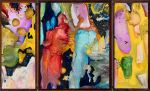
The Lower Belvedere in Vienna is currently hosting a comprehensive solo exhibition dedicated to the work of Erna Rosenstein. Rosenstein is recognized as one of the most prominent artists of the Polish post-war avant-garde movement. The exhibition delves into her artistic output, showcasing how she processed and expressed profound personal and collective traumas through abstract forms. Her unique artistic language, developed over decades, allows viewers to engage with complex emotional and historical themes. The retrospective aims to provide a deep understanding of her significant contribution to European art history. Visitors can explore the evolution of her style and the recurring motifs that underscore her engagement with memory and suffering. This exhibition marks a significant moment in bringing her influential work to a wider international audience.
This exhibition highlights the enduring power of art to confront and process trauma, particularly within the context of post-war European history. By presenting Erna Rosenstein's abstract works, the retrospective offers a lens through which to examine how artistic abstraction can serve as a vehicle for expressing deeply personal and societal wounds. The presentation in Vienna, a significant cultural hub, underscores the ongoing relevance of engaging with the legacies of the mid-20th century. It prompts reflection on the role of cultural institutions in preserving and interpreting historical narratives, especially those involving suffering and resilience. The display encourages viewers to consider the diverse strategies artists employ to grapple with difficult pasts and their potential impact on contemporary understanding.
AI-generated to prompt reflection — not editorial opinion, not advice, not a statement of fact. How this works.