Ernest Hemingway's Remarkable Life: From Childhood to Nobel Laureate
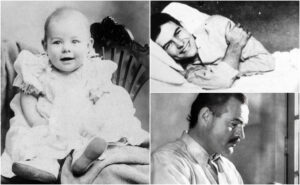
July 2nd marks the 65th anniversary of the death of Ernest Hemingway, a towering figure of 20th-century literature and recipient of both the Pulitzer and Nobel Prizes in Literature. Renowned for his iconic works such as 'The Old Man and the Sea,' 'For Whom the Bell Tolls,' and 'The Sun Also Rises,' Hemingway left behind a literary legacy that continues to be celebrated. His life was marked by extraordinary experiences, including surviving wartime conflicts. Accounts suggest his mother dressed him as a girl during his childhood, a detail that has been highlighted as part of his complex personal narrative. The author's personal life also included reported struggles with homophobia and latent homosexuality, adding layers to the public's understanding of his character and motivations.
The narrative surrounding Ernest Hemingway's life, particularly the emphasis on his childhood upbringing and personal identity struggles, invites reflection on how societal norms and personal experiences shape artistic output. Examining the interplay between an individual's formative years, their public persona, and their creative legacy can offer insights into the human condition. In the context of the evolving understanding of identity and gender in the 21st century, such biographical details prompt a re-evaluation of historical figures through a contemporary lens, encouraging a more nuanced appreciation of their complexities beyond their celebrated achievements.
AI-generated to prompt reflection — not editorial opinion, not advice, not a statement of fact. How this works.