Escalating Pakistan-Afghanistan Conflict Poses Regional Security Threat
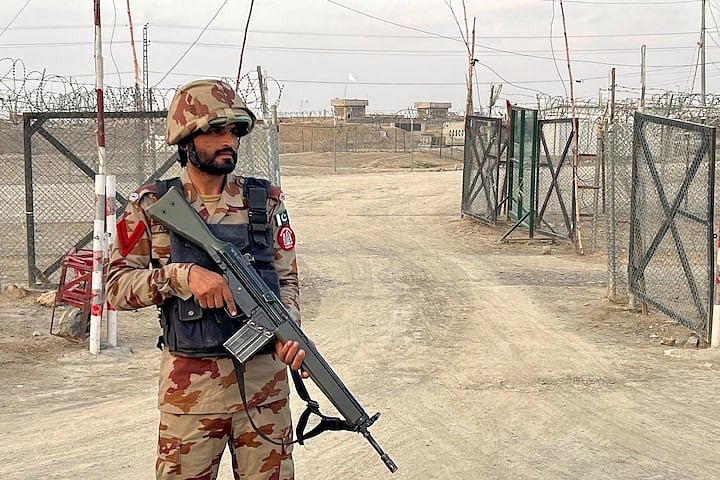
A conflict between Pakistan and Afghanistan, ongoing since October of last year, has now escalated into open warfare. This development poses a significant threat to regional security. The intensifying hostilities between the two neighboring nations have raised concerns about the stability of the broader area. The exact reasons behind the prolonged dispute and its recent escalation into open conflict are complex. However, the current situation clearly indicates a breakdown in diplomatic relations and a rise in military engagement. The implications of this open warfare are far-reaching, impacting not only the immediate region but also potentially drawing in other international actors. The escalating tensions underscore the fragile security landscape in the region. Further developments are being closely monitored by international observers due to the potential for wider instability. The conflict's progression suggests a serious deterioration of bilateral ties.
The escalating conflict between Pakistan and Afghanistan highlights the persistent challenges in managing interstate relations within volatile geopolitical regions. The shift from simmering dispute to open warfare suggests a failure of diplomatic mechanisms and potentially reflects underlying strategic competition or unresolved border issues. This situation demands careful analysis of the security architectures and incentive structures that may have contributed to this outcome. Moving forward, de-escalation strategies and robust diplomatic engagement will be crucial to mitigate further regional instability, considering the long-term implications for economic development and humanitarian concerns in the coming decade.
AI-generated to prompt reflection — not editorial opinion, not advice, not a statement of fact. How this works.