Escalating Tensions in the Persian Gulf After Strait of Hormuz Closure
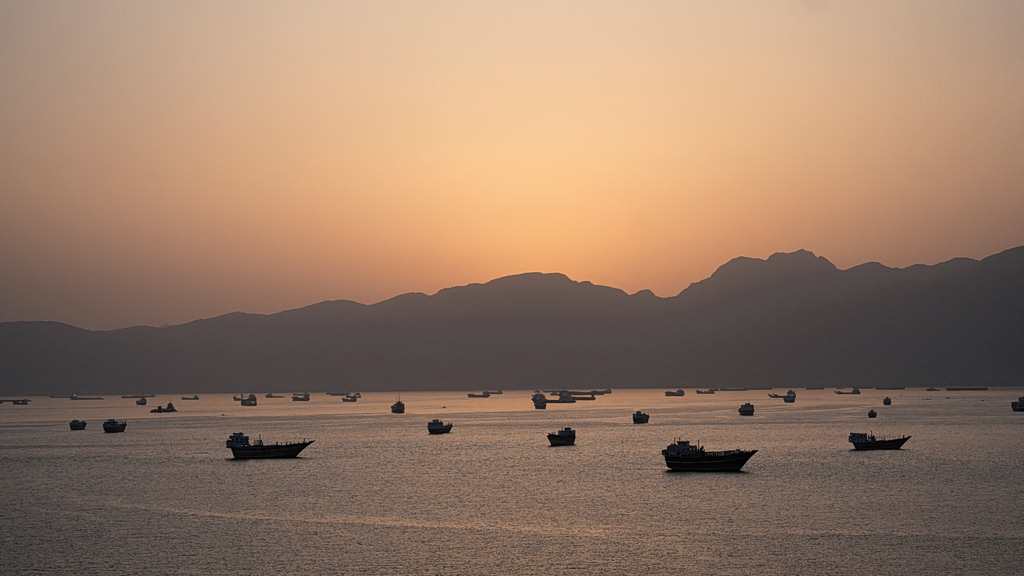
Hostilities have intensified in the Persian Gulf following the closure of the Strait of Hormuz. The United States has conducted strikes against 140 targets in response to the developing situation. Iran has retaliated against the United Arab Emirates, Bahrain, and Qatar. The escalation suggests a significant deterioration of regional security and potential disruption to global trade routes that rely on the vital waterway.
The closure of the Strait of Hormuz and subsequent military actions represent a critical juncture for regional stability and global commerce. This event highlights the fragility of international trade routes dependent on narrow maritime chokepoints. The involved parties' responses, including U.S. strikes and Iranian retaliation against neighboring states, indicate a complex web of geopolitical interests and security concerns. Future developments will likely be shaped by the interplay of national security imperatives, economic dependencies, and the potential for wider conflict. Navigating this situation requires careful diplomatic engagement to de-escalate tensions and secure freedom of navigation, considering the long-term implications for energy markets and international relations.
AI-generated to prompt reflection — not editorial opinion, not advice, not a statement of fact. How this works.