ESG Agenda Event Explores Strategies for Climate Crisis Preparedness
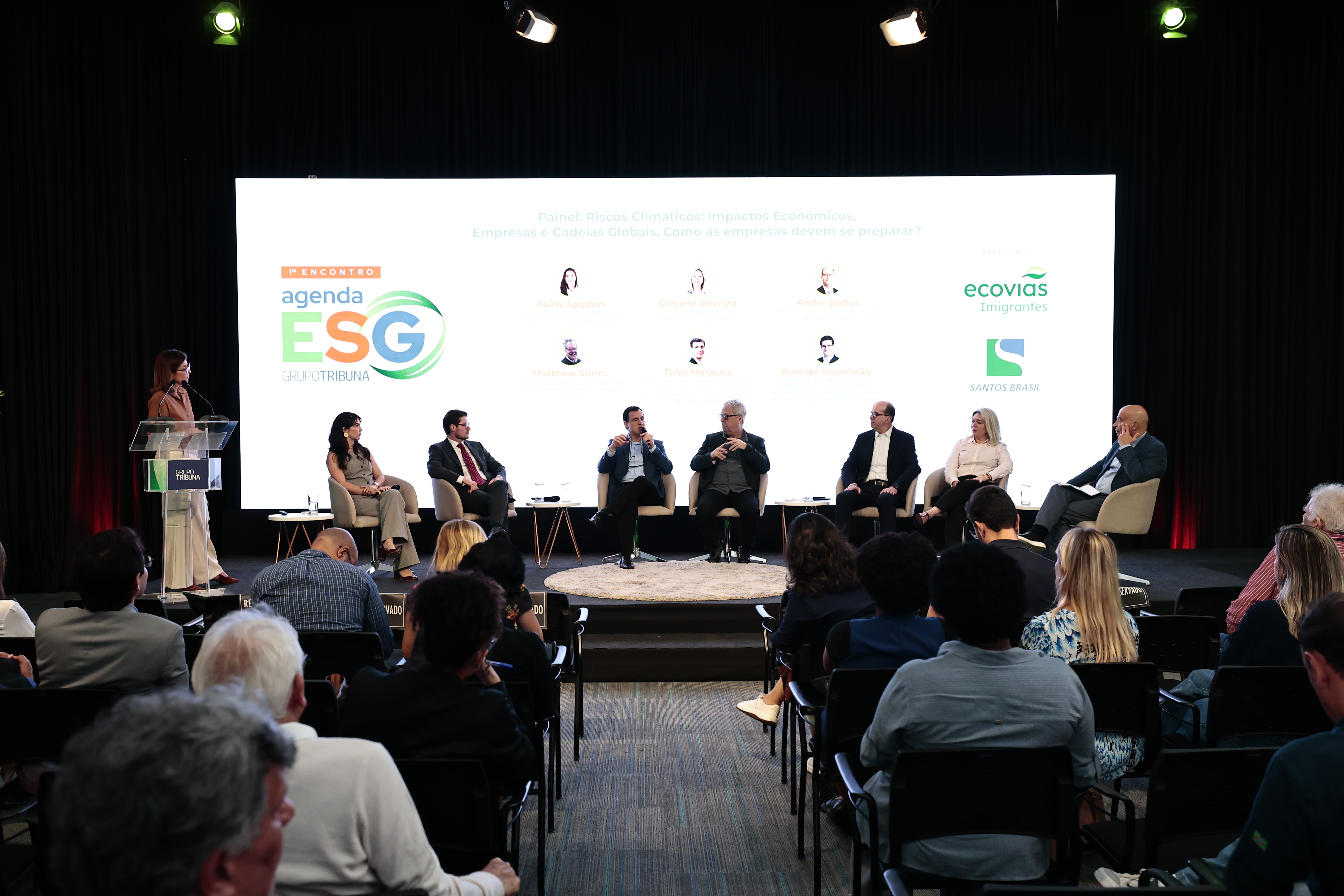
The inaugural ESG Agenda event, held on the 29th in Santos, Brazil, brought together experts to discuss the economic and societal impacts of climate change. Organized by Grupo Tribuna, the event highlighted how increasingly frequent and intense weather events like droughts, floods, heatwaves, and fires are causing significant losses across agriculture, industry, commerce, and services. These phenomena not only have environmental and social consequences but also threaten to increase costs, fuel inflation, and jeopardize investments.
Economist Gesner Oliveira of Fundação Getulio Vargas emphasized the need for proactive, integrated action among government, private sector, and civil society. Proposed solutions included expanding water reuse, strengthening infrastructure, and utilizing parametric insurance for automatic climate-related payouts. He also stressed the importance of a stable regulatory environment to encourage investment and market-based solutions. Young environmental activist Mavi Brilhante, 13, advocated for the inclusion of children and adolescents in climate discussions, noting their firsthand understanding of community challenges.
During a panel on corporate preparedness, Auiny Spadari of Tegma Gestão Logística stated that ESG must be integrated into overall company management, not confined to a single department. She urged companies to prioritize innovation and technology for impact reduction over carbon credit offsets. André Dabus of Marsh Corretora de Seguros underscored the necessity of resilient reconstruction after extreme events, not just recovery. Journalist Matthew Shirts highlighted the role of clear communication in fostering climate awareness and prevention. The event concluded that addressing climate change requires tailored planning, innovation, and cooperation, urging a transition from debate to concrete action.
This event underscores a growing recognition across sectors that climate change poses tangible economic and operational risks. The emphasis on integrated action, regulatory stability, and corporate ESG adoption reflects a systemic shift towards valuing resilience and sustainability. However, the challenge lies in translating these discussions into scalable, equitable action. While innovation and technological solutions are crucial, their accessibility and cost may create disparities, potentially exacerbating existing inequalities. The call for broader societal engagement, including youth voices, is vital for fostering long-term commitment, but ensuring these perspectives genuinely influence policy and corporate strategy remains a governance hurdle. The next decade will test whether these ESG frameworks can move beyond compliance and reporting to drive fundamental changes in business models and infrastructure investment, particularly in the face of accelerating climate impacts and evolving global economic pressures.
AI-generated to prompt reflection — not editorial opinion, not advice, not a statement of fact. How this works.