ESG Agenda Tackles Climate Risks and Economic Transformation in Santos
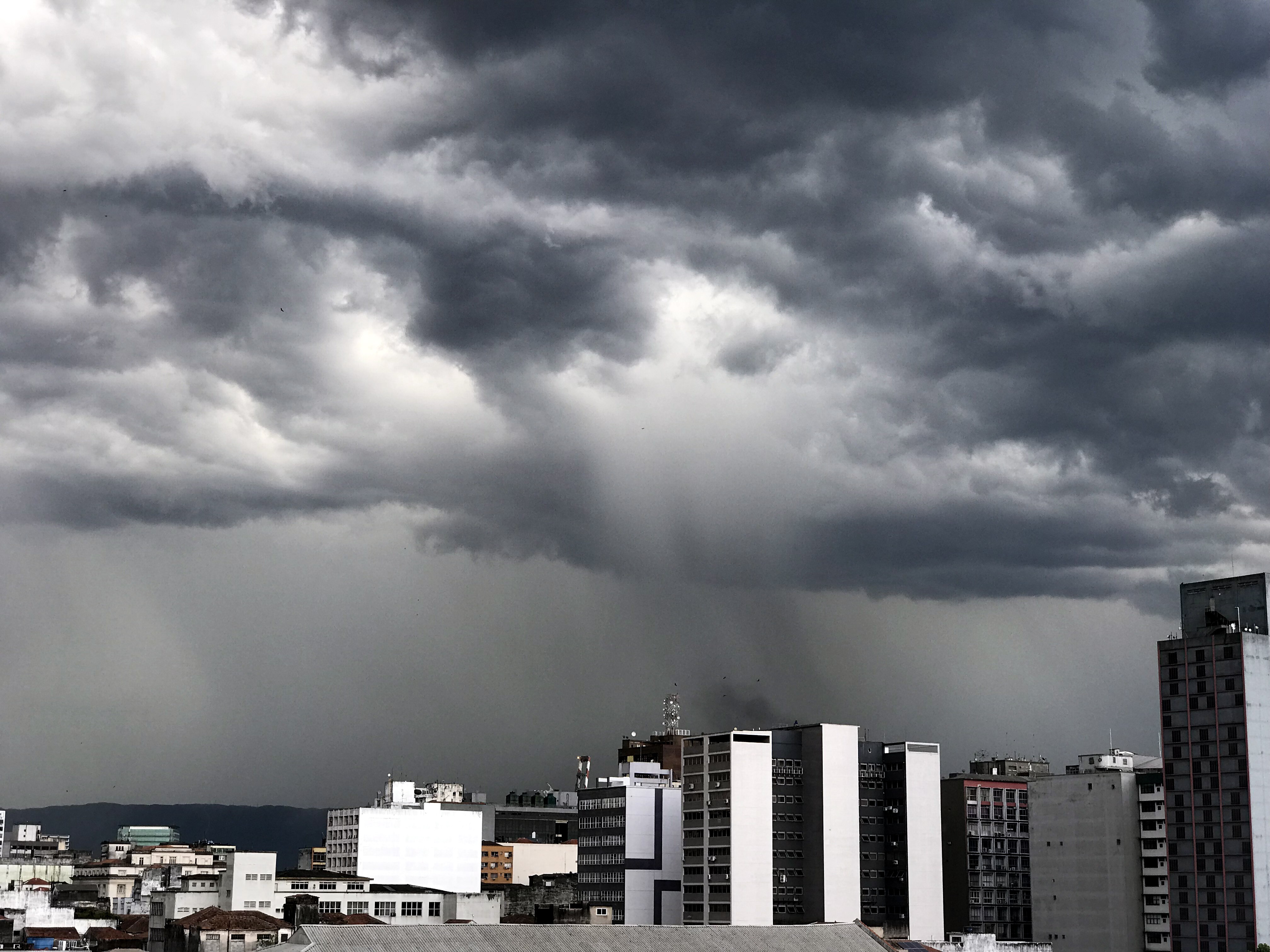
The fifth edition of the ESG Agenda, a key forum for sustainability and responsible development in Baixada Santista, is now open for free registration. The event will take place on the 29th at 2 PM in the Grupo Tribuna auditorium. This year's focus is on how environmental, social, and governance (ESG) factors are reshaping economies, with the theme "Climate Risks and Economic Transformation: How Companies and Markets Are Preparing." The agenda aims to bridge the gap between technical knowledge and practical application, offering diverse perspectives on the economic challenges posed by climate change and strategies to mitigate vulnerabilities. Economist Gesner Oliveira, a professor at FGV and coordinator of the Center for Studies on Infrastructure and Environmental Solutions, will open the event. He will discuss how climate risks are already altering production, consumption, investment, and international trade patterns, while also highlighting opportunities in climate adaptation, innovation, and sustainable finance for organizations navigating environmental instability. A subsequent panel will explore how businesses can enhance their resilience to increasingly frequent and intense climate events. Topics will include impacts on exports, imports, logistics, infrastructure, insurance, and financial markets. Panelists include journalist Matthew Shirts, Marsh Insurance Brokerage's André Dabus, corporate insurance executive Túlio Marques, and Rodrigo Sluminsky, a partner at Gaia Advogados specializing in environmental and climate change law.
This event addresses the critical intersection of climate change and economic strategy, framing it within the ESG discourse. By focusing on 'Climate Risks and Economic Transformation,' the agenda highlights the growing imperative for businesses and policymakers to integrate environmental considerations into long-term planning and investment. The discussion on resilience to extreme weather events and the identification of adaptation opportunities underscores a shift from viewing climate action solely as a cost to recognizing it as a driver of innovation and competitive advantage. The inclusion of diverse experts from economics, insurance, and law suggests a holistic approach to understanding and managing these complex, systemic risks, moving beyond mere compliance towards strategic adaptation in an increasingly volatile global landscape.
AI-generated to prompt reflection — not editorial opinion, not advice, not a statement of fact. How this works.